
According to researchers at the University of Minnesota, if the COVID-19 pandemic courses through the U.S. as it has in other countries, there will be 6 critical patients for each hospital bed. In New York, at an expected peak, the city will need 140,000 beds (though they only currently have 53,000 beds), 40,000 ICU beds, and 30,000 ventilators.
Treating COVID-19 Patients
6 min read Premium comments
#trendsinmedicine#covid19#pandemic
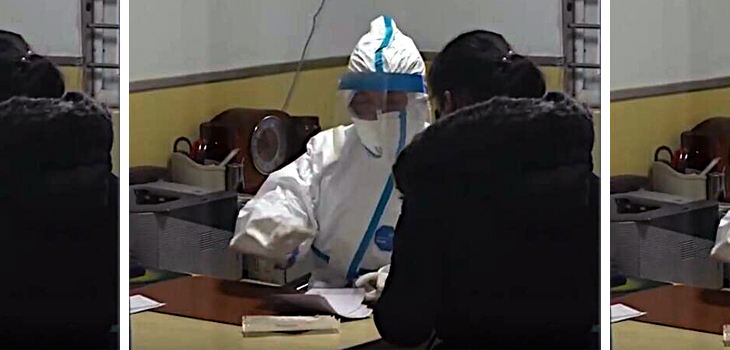
While orthopedic procedures are being delayed, orthopedic staffs in health systems are highly likely to be deputized to fill in for overworked staff. Orthopedic surgeons, nurses and support staff are going to have to go through a crash course on treating patients with the SARS-CoV-2 virus and COVID-19, the disease the virus causes.
Lynne Peterson has provided the best reporting on the pandemic we’ve seen in her publication, Trends-in-Medicine. She has provided timely and detailed reports. We encourage you to subscribe to her publication. There is a link at the end of this article for that.
On March 24, 2020, Peterson provided an update of the latest treatments and drugs available to physicians to treat patients. The following information is attributable Trends-in-Medicine.
Treating COVID-19
No surprise, treatment ideas, both scientifically based and not, are emerging everywhere. Peterson has put together an excellent and comprehensive summary of the most promising treatments and the companies who are working to move them through the clinical study process.
Probably no compound has captured the world’s attention more than hydroxychloroquine and chloroquine. The compound is flying off the shelves in South Korea and a Chinese health minister openly recommended it.
Hydroxychloroquine and chloroquine are antimalarial drugs. On YouTube and elsewhere patients are posting their personal experiences. One of the most common reports is about combining these drugs with azithromycin (Pfizer’s Z-Pak) and zinc.
Peterson notes that some doctors, if they could get supplies, started using this combination on March 24.
Regulatory and physician societies have weighed on the use of these antimalarial drugs (including, by the way, mefloquine). Pharmacy boards in at least four states—Idaho, Nevada, Ohio, and Texas—put limits on who can be prescribed these drugs.
The Society of Critical Care Medicine (SCCM) issued a cautionary note with regards to the current spate of COVID-19 treatments saying, in part, that there is insufficient evidence to recommend the use of hydroxychloroquine, chloroquine, Gilead Sciences’ remdesivir, or an anti-IL-6 for COVID-19>
So how should physicians treat their COVID-19 patients?
First, according to the SCCM:
- DO NOT use hydroxyethyl starches, gelatins, dextrans, albumin for acute resuscitation. DO use norepinephrine first-line, or, if not available, vasopressin or epinephrine. After that, attack the virus with vasopressin instead of titrating norepinephrine.
- DO NOT use routine systemic corticosteroids in mechanically ventilated patients with respiratory failure but not ARDS [acute respiratory distress syndrome].
- DO NOT use IVIG [intravenous immunoglobulin] or Kaletra routinely since there is insufficient evidence to recommend other antiviral agents.
Second, according to the SCCM:
- USE titrating vasoactive agents to a target of 60-65 mmHg, not higher.
- USE a high-flow nasal cannula (HFNC) over conventional oxygen over non-invasive positive-pressure ventilation (NIPPV)—[e.g., CPAP]—for acute hypoxemic respiratory failure despite conventional oxygen therapy.
- USE corticosteroids IF ARDS is present.
- USE acetaminophen over no treatment for fever.
Pulmonary Fibrosis Drugs
Because COVID-19 attacks the lungs, the many existing pulmonary fibrosis drugs are coming into the spotlight, specifically:
- AstraZeneca’s saracatinib, which is a Src kinase inhibitor. Saracatinib recently received orphan drug status from the FDA for treating idiopathic pulmonary fibrosis.
- Boehringer Ingelheim’s Ofev (nintedanib), which is a TKI, [tyrosine kinase inhibitor] received an expanded indication approval from the FDA. It is now eligible to treat chronic fibrosing interstitial lung diseases (ILD) with a progressive phenotype. Notably, wrote Peterson, this is the first drug approved for patients with this type of lung disease.
What About Plasma From Recovered COVID-19 Patients?
One of the oldest tactics for fighting viruses is to use the antibodies from another person (or animal) who has had the disease and inject into a currently infected patient. This is probably a 200-300-year-old strategy. With patients dying so rapidly and at such alarming rates, physicians are increasingly thinking about using plasma from recovered patients as a field-vaccine to treat COVID patients.
The FDA is advising investigators who want to try using plasma from recovered COVID-19 patient to ask the FDA for an investigational use exemption under the traditional IND [investigational new drug] rules. The FDA did say that the approach has a checkered history, specifically “has not been shown to be effective in every disease studied.”
The FDA is also asking investigators to make sure any donors meet certain conditions. Specifically:
- Be laboratory confirmed COVID-19 positive
- Have NO symptoms 14 days prior to donation
- Confirmed negative test for COVID-19
- Restrict to male donors (or females if negative for HLA [human leukocyte antigens] antibodies)
- If possible, defined SARS-CoV-2 neutralizing antibody titers.
The FDA also said that it will allow single patient emergency investigational new drug application for an individual patient (an N of 1 study) along with other approaches.
COVID-19 Treatments in the Pipeline
Quite a few companies have leaped into the fray to combat COVID-19. Here is Peterson’s summary.
- An HIV Drug for use in COVID-19. The company is AbbVie and the drug is Kaletra (lopinavir + ritonavir). AbbVie said that it would NOT enforce its patent rights to this HIV drug for use in COVID-19 if there was a company who wanted to pursue this drug. One test using this drug to treat COVID-19 failed, but more testing is planned.
- T-Cell Therapy. The company is AlloVir and their collaborator is the Baylor College of Medicine.
- This is very important since NSAIDS are a key treatment for musculoskeletal pain. There was some concern that NSAIDS might exacerbate COVID-19 symptoms. Not so, said the FDA. The FDA’s statement regarding NSAIDS in COVID-19 patients was that there is insufficient evidence that using NSAIDs, including ibuprofen, exacerbates the symptoms of COVID-19 and they advised patient to keep using prescribed NSAIDS as directed.
- The company is Gilead Sciences. This is the most advanced treatment yet for COVID-19. Results so far have been mixed. But, given the overnight surge in critically ill COVID-19 patients, the company has been swamped with orders. Gilead is now directing patients toward existing trials while also working on a program for patients for whom a trial is not an option. The company intends to collect data from all patients—whether in a trial or not.
- One of the most watched clinical study is the ≥3,200-patient, 5-arm, open-label DISCOVERY which is a head-to-head comparison of four investigational therapies (remdesivir, Kaletra, Kaletra + interferon beta, and hydroxychloroquine) versus standard of care (whatever that is). DISCOVERY has started in Europe/U.K.
- Roche/Genentech received the green light from the FDA to go-ahead with its Phase II trial of Actemra (tocilizumab) which is an anti-IL-6, IV arthritis drug.
But Wait, There’s Still More – TESTS
- The company is 3D Medicine Science & Technology. The product is a SARS-CoV-2 and Influenza A&B RT-qPCR detection kit. Its key feature is that it can simultaneously detect influenza A, influenza B, and the coronavirus. Status: CE Mark Granted.
- The company is Bio-Rad Laboratory. The product is QX200 ddPCR SARS-CoV-2 droplet digital PCR test. Status: Bio-Rad is working with Biodesix to get emergency use authorization (EUA) from the FDA.
- The company is Bioneer. The product is AccuPower SARS-CoV-2 Real-Time RT-PCR Kit and AccuPower COVID-19 Real-Time RT-PCR Kit. Status: CE Mark Granted.
- The company is Iceni Diagnostics. The product is a point-of-care test which detects and differentiates SARS-CoV-2 from common influenza strains using artificial glycan receptors.
- The company is SolGent. The product is DiaPlexQ Novel Coronavirus (2019-nCoV) Detection assay. Status: CE Mark Granted. Emergency use authorized in South Korea. Philippine FDA Approval.
Final Mid-Course Notes
There is no vaccine, yet.
Doctors can tell when a patient’s COVID-19 infection is over when there are no symptoms, including fever and the patient has had two negative tests 24 hours apart.
Evidence is emerging that this disease causes long-term lung damage.
We’re grateful to Lynn Peterson and Trends-in-Medicine for letting us summarize some of their key points. For the ENTIRE and more DETAILED reports, subscribe here.
React:
Discussion
This is a fascinating development. In my practice we've seen similar outcomes with the revised protocol. The key differentiator seems to be patient selection criteria. Has anyone else noticed the correlation with BMI thresholds?
Great point. I'd push back slightly on the conclusion, the sample size in the cited study is too small to draw population-level inferences. That said, the directional signal is compelling and worth a larger RCT.
We implemented a similar approach last year. Early results are promising but we're still gathering 12-month follow-up data. Happy to share our protocol if anyone is interested.
Join the conversation
Orthopedic professionals are discussing this. Sign in and upgrade to read every comment and add your voice.