
The Ohio State University Wexner Medical Center in Columbus has teamed up with Cedars-Sinai Medical Center in Los Angeles to review the academic literature and find any information which would compare nerve injuries in the direct anterior approach (DAA) to similar injuries in the posterior approach to total hip arthroplasty (THA).
THA: Nerve Injuries Differ in DAA and Posterior Approach
2 min read Premium comments
#totalhiparthroplastySecondary#anteriorApproach#posteriorapproach#nerveinjury
Their work, “Nerve Injuries with the Direct Anterior Approach to Total Hip Arthroplasty,” appears in the February 2020 edition of JBJS Reviews.
Co-author Sravya Vajapey, M.D., M.B.A., an orthopedic surgeon at The Ohio State University in Columbus described the basis for this study to OTW, “Our study was based on our anecdotal observation of a patient case with sciatic nerve palsy after direct anterior approach total hip arthroplasty. This case prompted us to examine the literature to determine how common of a complication this is.”
Starting out with a PubMed English language search for articles related to nerve injury, the researchers used the keywords “nerve injury anterior approach hip arthroplasty,” “nerve palsy anterior approach hip arthroplasty,” and “neurologic injury anterior approach hip arthroplasty.” The researchers zoned in on 40 articles between June 19, 2009, and June 19, 2019.
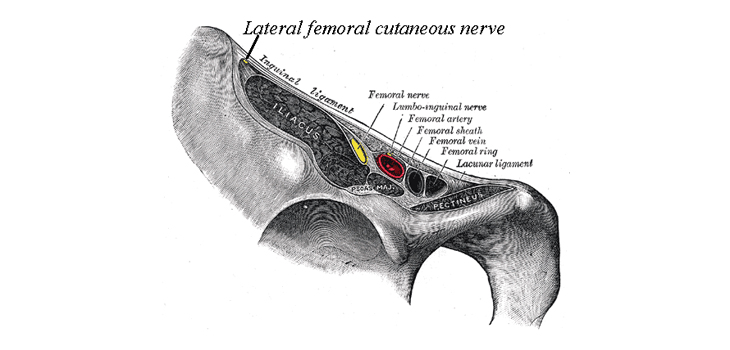
In their review, the team found that…”The most common nerve injury seen with the posterior approach to THA is sciatic nerve palsy, with a reported incidence of 0.1% to 0.6%, while the most common nerve injury following direct anterior approach THA is lateral femoral cutaneous nerve neurapraxia, with a reported incidence ranging from 3.37% to 81.00%. The next most commonly injured nerve with direct anterior approach THA is the femoral nerve, with a reported incidence ranging from 0.26% to 5.00%. Sciatic nerve injury is much less common with direct anterior approach THA than with the posterior approach…”
Emphasizing the importance of understanding the differences in approaches, Dr. Vajapey commented to OTW, “The most important takeaways are that the nerve injury pattern in direct anterior approach total hip arthroplasty is quite different from that seen in posterior approach. The nerves that are at risk are different in both approaches. The lateral femoral cutaneous nerve is the most commonly injured nerve in the direct anterior approach; there are certain modifiable and unmodifiable risk factors for nerve injury. Being cognizant of these risk factors can reduce the likelihood of nerve injury.”
“Besides the lateral femoral cutaneous nerve, there are other nerves that can also be injured in direct anterior approach total hip arthroplasty. The risk factors for nerve injury are different for each nerve and knowing these risk factors can help reduce the risk of nerve injury in direct anterior approach total hip arthroplasty.”
Author
React:
Discussion
This is a fascinating development. In my practice we've seen similar outcomes with the revised protocol. The key differentiator seems to be patient selection criteria. Has anyone else noticed the correlation with BMI thresholds?
Great point. I'd push back slightly on the conclusion, the sample size in the cited study is too small to draw population-level inferences. That said, the directional signal is compelling and worth a larger RCT.
We implemented a similar approach last year. Early results are promising but we're still gathering 12-month follow-up data. Happy to share our protocol if anyone is interested.
Join the conversation
Orthopedic professionals are discussing this. Sign in and upgrade to read every comment and add your voice.