
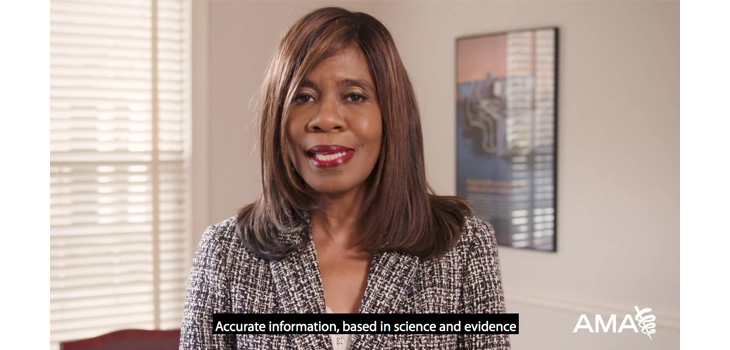
As a service to all physician and front-line healthcare workers, the American Medical Association (AMA) has offered its latest, comprehensive resources of the COVID-19 pandemic to ensure access to the latest news and information.
AMA & NEJM Offer Resource Centers for COVID-19 News & Information
1 min read Premium comments
#americanmedicalassociationSecondary#covid19#newenglandjournalofmedicine
The COVID-19 physician and practice resources released by the AMA include:
- A Physicians Guide to COVID-19, to help physicians prepare their practices, address patient concerns, and provide answers to physicians’ top questions;
- An AMA COVID-19 online resource center, and a COVID-19 FAQ that are updated each day with the latest information on the COVID-19 epidemic;
- A Quick Guide to Telemedicine in Practice, a new resource to help physicians implement remote care which can help achieve a dramatic increase in the nation’s telemedicine capacity;
- The AMA Journal of Medical Ethics published ethical guidance for physicians to help them in making determinations about how to combat COVID-19;
- The JAMA Network COVID-19 Resource Center for evidence-based, actionable resources, plus videos of firsthand accounts from physicians on the front lines;
- CME for physicians through the JAMA Network’s JN Learning website, including COVID-19 epidemiology, infection control and prevention recommendations.
The AMA says it will continue to release additional resources in response to the urgent public health crisis to support physicians and the patients they care for.
The New England Journal of Medicine is also offering its resources.
Author
React:
Discussion
This is a fascinating development. In my practice we've seen similar outcomes with the revised protocol. The key differentiator seems to be patient selection criteria. Has anyone else noticed the correlation with BMI thresholds?
Great point. I'd push back slightly on the conclusion, the sample size in the cited study is too small to draw population-level inferences. That said, the directional signal is compelling and worth a larger RCT.
We implemented a similar approach last year. Early results are promising but we're still gathering 12-month follow-up data. Happy to share our protocol if anyone is interested.
Join the conversation
Orthopedic professionals are discussing this. Sign in and upgrade to read every comment and add your voice.