
A multicenter pilot study has determined that patients who undergo anterior cervical discectomy and fusion (ACDF) can safely exercise at home. Ok. Their work, “Early Self-directed Home Exercise Program After Anterior Cervical Discectomy and Fusion,” appears in the February 15, 2020 edition of Spine.
Are Home Exercise Programs for ACDF Patients Helpful?
2 min read Premium comments
Secondary#anteriorcervicaldiscectomyandfusion#homeexercise#postsurgeryexercise
Co-author Rogelio A. Coronado, P.T., Ph.D., a research assistant professor in Orthopaedic Surgery at Vanderbilt University Medical Center explained the rationale for the study to OTW, “We expect most people to improve after anterior cervical discectomy and fusion (ACDF) surgery; however, there are some patients who struggle with ongoing pain or functional limitations. Right now, there is little guidance on how to optimally manage patients after ACDF.”
“We think structured exercises would be helpful for these patients. We don’t know if there is an ideal time to start exercise after surgery. Working with our surgeon colleagues, we felt that initiating a progressive home exercise program immediately after an ACDF would be safe and potentially lead to improved outcomes. We designed the exercises to be feasible to complete at home.”
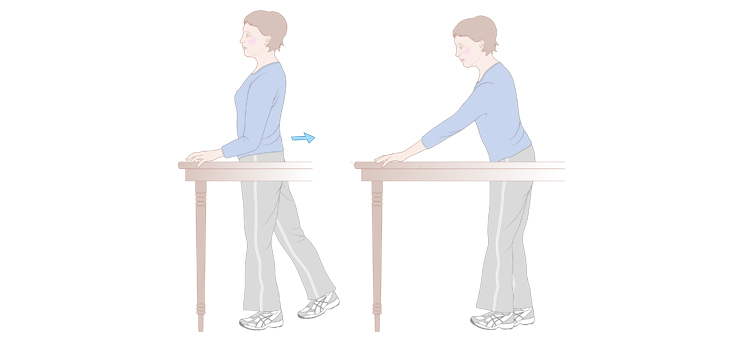
To test their hypothesis that structured home exercises would be helpful, the team randomized 30 patients undergoing ACDF to an early home exercise program (n = 15) or usual care (n = 15). The home exercise program was a 6-week self-directed program with weekly supportive telephone calls to reduce pain and improve activity.
Dr. Coronado summarized the study results to OTW, “An early home exercise program may not be appropriate for everyone. Examining whether certain patients respond better to the program or if aspects of the fusion surgery need to be considered was beyond the scope of our trial. Our pilot study offers important proof-of-concept, however, there are still unanswered questions.”
“Based on feedback from a few patients who pilot tested the home program, we added sleeping tips and also included relaxation and distraction techniques for pain management.”
“Additionally, our home exercise program was supported by a trained physical therapist who discussed the program with the patient weekly over the telephone. This was an important aspect to some patients that allowed them to discuss any home program issues or ask questions about the exercises. Telephone calls with the physical therapist may have also helped with patient adherence.”
“Our most important results were that the early home program was feasible and acceptable to patients immediately after ACDF and did not appear to compromise safety or result in significant adverse effects. Most of our patients felt that an exercise program like this should be encouraged before surgery or within a few weeks of having surgery. Of course, these results should be interpreted in light of some of the limitations—mainly that this was a small pilot study and we need larger trials to validate our findings.”
“We hope this work helps in identifying beneficial postoperative activities patients can engage in after cervical spine surgery. While there is still work to be done in this area, our study could help clinicians understand the important role of early exercise after surgery.”
Author
React:
Discussion
This is a fascinating development. In my practice we've seen similar outcomes with the revised protocol. The key differentiator seems to be patient selection criteria. Has anyone else noticed the correlation with BMI thresholds?
Great point. I'd push back slightly on the conclusion, the sample size in the cited study is too small to draw population-level inferences. That said, the directional signal is compelling and worth a larger RCT.
We implemented a similar approach last year. Early results are promising but we're still gathering 12-month follow-up data. Happy to share our protocol if anyone is interested.
Join the conversation
Orthopedic professionals are discussing this. Sign in and upgrade to read every comment and add your voice.