
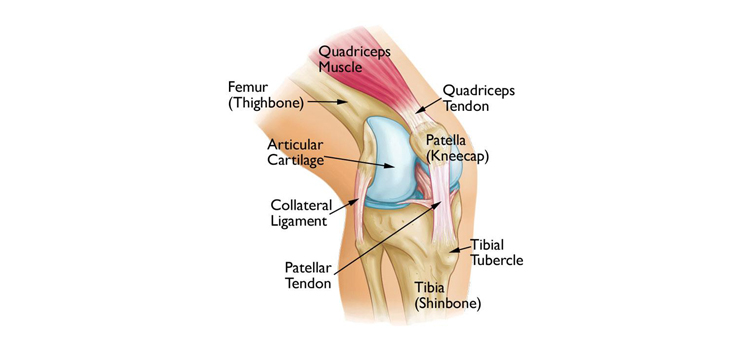
A recent meta-analysis comparing patellar resurfacing non-resurfacing conducted by researchers in Germany and Egypt found clear support for patellar resurfacing during primary total knee arthroplasty (TKA).
Resurface the Patellar or Not? New Meta-Analysis Says…
1 min read Premium comments
#totalkneearthroplastySecondary#patellaresurfacing#retainingknee
The study, “Better outcomes with patellar resurfacing during primary total knee arthroplasty: a meta-analysis study,” appears in the October 2019 edition of The Archives of Orthopaedic and Trauma Surgery.
Co-author Filippo Migliorini, M.D., with the University Clinic of Aachen in Germany in the Orthopedic Department and a researcher in the Orthopedics Biomechanics Department, explained the issues surrounding patellar resurfacing to OTW, “The question of whether to resurface the patella or not is a debated topic and no consensus has been reached. The clinical purpose of this work was to improve current knowledges and update current evidence concerning the role of patellar resurfacing during total knee arthroplasty.”
The researchers conducted a meta-analysis of prospective clinical trials and compared the reported outcomes for patellar resurfacing to outcomes from studies which did not resurface. The research group only considered published studies which had been classified as level of evidence I to II.
Dr. Migliorini summarized his methodology as follows to OTW, “We included 31 studies, 23 randomized clinical trials providing a minimum of 24-months follow-up. Data from 4,132 knees were analyzed; the mean follow-up was 66.64 ± 38.76 months.”
“Patellar resurfaced total knee arthroplasty was demonstrated to have performed superior overall. Patellar resurfacing resulted in a lower rate of post-operative anterior knee pain and reoperation. Moreover, the resurfacing group showed greater value of the analyzed clinical scores. In favor of the retaining group, a slightly better range of motion was evidenced.”
Author
React:
Discussion
This is a fascinating development. In my practice we've seen similar outcomes with the revised protocol. The key differentiator seems to be patient selection criteria. Has anyone else noticed the correlation with BMI thresholds?
Great point. I'd push back slightly on the conclusion, the sample size in the cited study is too small to draw population-level inferences. That said, the directional signal is compelling and worth a larger RCT.
We implemented a similar approach last year. Early results are promising but we're still gathering 12-month follow-up data. Happy to share our protocol if anyone is interested.
Join the conversation
Orthopedic professionals are discussing this. Sign in and upgrade to read every comment and add your voice.