
A group of Thai researchers may have found an effective alternative to NSAIDS for the pain management of post-operative total knee arthroplasty (TKA) patients.
Corticosteroids vs NSAIDS for Post-op TKA Patients
2 min read Premium comments
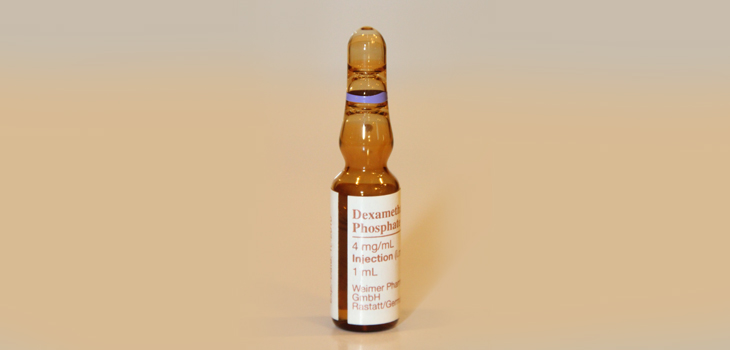
#totalkneearthroplastySecondary#dexamethasone
Their work, “Intravenous Dexamethasone Injection Reduces Pain from Twelve to Twenty-one Hours after Total Knee Arthroplasty: A Double-Blind Randomized Placebo Controlled Trial,” appears in the September 7, 2019 edition of The Journal of Arthroplasty.
Co-author Nattapol Tammachote, M.D., M.Sc., orthopedic surgeon at Thammasat University in Thailand explained the genesis of the study to OTW, “I observed many patients suffered from post-op TKA pain, especially patients who couldn’t take NSAIDs [nonsteroidal anti-inflammatory drugs] after surgery. This group included those with chronic kidney disease and allergy to NSAIDs.”
“Intravenous corticosteroids have been known to reduce post-operative nausea and vomiting. Corticosteroids have been shown to reduce pain in other types of surgery, but there is limited data in TKA—that is why I did a randomized controlled trial.”
For this study, Dr. Tammachote and his colleagues looked at 100 individuals who underwent unilateral TKA, 50 who received 0.15 mg/kg of IV dexamethasone (DEX) and 50 who received a saline placebo.
The authors wrote, “Primary outcomes were pain level, determined by a visual analog scale (VAS), and the amount of morphine consumption (mg) ≤ 48 hours (h) post TKA. Secondary outcomes were rates of nausea or vomiting, C-reactive protein (CRP) concentrations, and functional outcomes.”
The team found that those in the dexamethasone group had a “significantly lower mean VAS score both at rest and during motion at 12, 15, 18, and 21 h…The DEX group also had lower rates of nausea or vomiting and a lower mean CRP level. There were no significant differences in mean morphine consumption by 48 h, modified Western Ontario and McMaster University Osteoarthritis Index scores and range of motion of the knee at three months follow up.”
Dr. Tammachote told OTW, “Intravenous dexamethasone injection reduces postoperative pain up to 21 hours after primary TKA compared with placebo. The first 12 hours after surgery, the pain was similar because I injected the anesthetic cocktail. Intravenous dexamethasone had pain control capacity up to 21 hours. It can be an adjunct analgesic drug in multimodal pain control regimen, especially patients who could not take NSAIDs.”
According to drugs.com: “Dexamethasone provides relief for inflamed areas of the body. It is used to treat a number of different conditions, such as inflammation (swelling), severe allergies, adrenal problems, arthritis, asthma, blood or bone marrow problems, kidney problems, skin conditions, and flare-ups of multiple sclerosis. Dexamethasone is a corticosteroid (cortisone-like medicine or steroid). It works on the immune system to help relieve swelling, redness, itching, and allergic reactions.”
Author
React:
Discussion
This is a fascinating development. In my practice we've seen similar outcomes with the revised protocol. The key differentiator seems to be patient selection criteria. Has anyone else noticed the correlation with BMI thresholds?
Great point. I'd push back slightly on the conclusion, the sample size in the cited study is too small to draw population-level inferences. That said, the directional signal is compelling and worth a larger RCT.
We implemented a similar approach last year. Early results are promising but we're still gathering 12-month follow-up data. Happy to share our protocol if anyone is interested.
Join the conversation
Orthopedic professionals are discussing this. Sign in and upgrade to read every comment and add your voice.