
Extremely good news was just announced by the Journal of Athletic Training, the National Athletic Trainer’s Association’s (NATA) scientific journal, in association with the National Athletic Trainers’ Association and 12 other medical and sports medicine organizations.
Big News – College Football Deaths Cut Dramatically
2 min read Premium comments
Secondary#exertionalcollapserelatedtosicklecelltrait#ncaafootball#sicklecelltrait
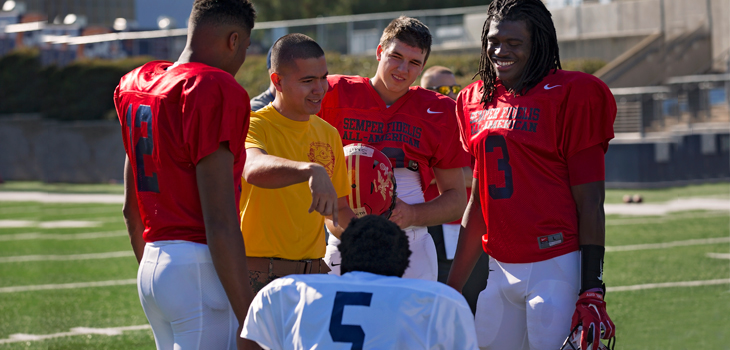
Recent changes in rules and practices as promulgated by the National Collegiate Athletic Association’s (NCAA) dramatically cut the number of player deaths from exertional collapse related to a player’s sickle cell trait.
In “Preventing Catastrophic Injury and Death in Collegiate Athletes: Interassociation Recommendations Endorsed by 13 Medical and Sports Medicine Organizations,” medical and sports medicine experts outlined six areas for the better prevention of catastrophic traumatic (caused directly by participation in a sports activity) and nontraumatic (result of exertion while participating in a sports activity) injury and death.
Those areas include sportsmanship, protective equipment, acclimatization and conditioning, Emergency Action Plan (EAP), and responsibilities of athletics personnel.
“Almost all cases of non-traumatic catastrophic injury and death are preventable and or treatable,” said NCAA Chief Medical Officer Brian Hainline, M.D.
“We’ve seen a clear improvement in policies, research, education and medical care but there is still much more to done. This document provides a roadmap for all participating institutions to put best practices in place and ensure the safety of our student athletes.”
Research has proven that NCAA Division I football athletes with sickle cell trait are at a higher risk of nontraumatic catastrophic events, including death. To offer these athletes better protection, in the last decade there has been a big push to put in place policy recommendations to prevent exertional collapse associated with sickle cell trait (ECAST) in collegiate sports.
In 2007, NATA released a consensus statement on sickle cell trait in the athlete and by 2013, all three NCAA divisions began requiring confirmation of a student-athlete’s sickle cell trait status before the beginning of the season. This NCAA policy along with more preventive measures against exertional collapse at practices and games has led to the decrease in deaths.
In “Sport Safety Policy Changes: Saving Lives and Protecting Athletes” published in the Journal of Athletic Training, the authors showed how because of these changes, “during the 2010-2011 through 2014-2015 academic years, nontraumatic exertional sickling-related deaths were significantly reduced with only 1 of 14 deaths attributed to an exertional sickling episode.”
They wrote, “This suggests that a policy change fostering knowledge of [sickle cell trait] status in high-risk athletes, coupled with targeted education and tailored precautions, should be considered at other collegiate levels to reduce the risk of sudden death during participation for athletes with [sickle cell trait].
John Parsons, Ph.D., ATC, lead author of the recommendations and managing director of the NCAA Sports Science Institute told OTW, “Athletes with sickle cell trait are vulnerable to a sickling crisis induced by physical exertion, high temperatures, and/or dehydration. Knowledge of which athletes have the trait can lead to preventive measures and activity modification that can prevent such crisis, and possible injury and/or death.”
Author
React:
Discussion
This is a fascinating development. In my practice we've seen similar outcomes with the revised protocol. The key differentiator seems to be patient selection criteria. Has anyone else noticed the correlation with BMI thresholds?
Great point. I'd push back slightly on the conclusion, the sample size in the cited study is too small to draw population-level inferences. That said, the directional signal is compelling and worth a larger RCT.
We implemented a similar approach last year. Early results are promising but we're still gathering 12-month follow-up data. Happy to share our protocol if anyone is interested.
Join the conversation
Orthopedic professionals are discussing this. Sign in and upgrade to read every comment and add your voice.