
FDA has approved Rinvoq (upadacitinib), a 15 mg, once-daily oral Janus kinase (JAK) inhibitor, for the treatment of adults with moderately to severely active rheumatoid arthritis (RA) who have had an inadequate response or intolerance to methotrexate (MTX-IR).
Rheumatoid Arthritis Remission Drug Approved by FDA
2 min read Premium comments
#rheumatoidarthritisSecondary#fdaapproval#autoimmunedisease
RA Affects 1.3 Million Americans
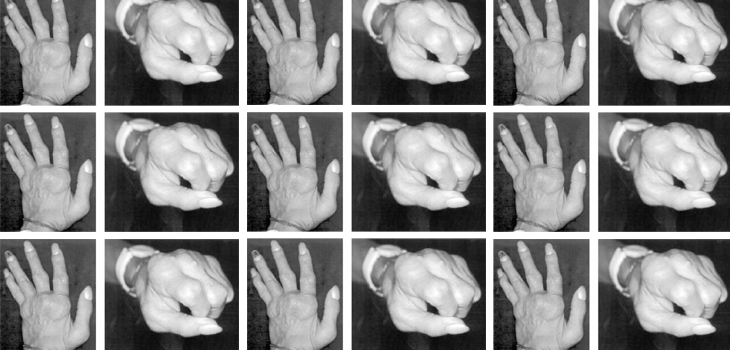
RA is a huge orthopedic issue affecting 1.3 million Americans. The autoimmune disease creates inflammation as the body mistakenly attacks its own joints. The inflammation causes the tissue inside of joints to thicken, damaging the bones and associated connective tissue. If not properly treated, RA can lead to permanent, debilitating bone and cartilage damage.
Evidence of Remission
An August 16, 2019 announcement by AbbVie, the sponsor of the drug, stated that approval was based on data from the SELECT program, “one of the largest registrational Phase 3 programs in RA with approximately 4,400 patients evaluated across all treatment arms in five studies.”
According to the company, patients taking Rinvoq “achieved clinical remission, a state characterized by almost no disease activity and symptoms, even without methotrexate. Approximately 30% of patients treated with RINVOQ achieved clinical remission (as assessed by DAS28-CRP<2.6) at week 12 in SELECT-COMPARE and week 14 in SELECT-MONOTHERAPY compared to six percent with placebo plus methotrexate and eight percent with methotrexate, respectively. In SELECT-EARLY, 36% of patients treated with RINVOQ achieved clinical remission (as assessed by DAS28-CRP<2.6) at week 12 compared to 14 percent with methotrexate.”
The drug, stated the company, “significantly inhibited radiographic progression as measured by the change in modified total Sharp score (mTSS) from baseline compared to methotrexate in SELECT-EARLY (0.14 vs 0.67) and RINVOQ plus methotrexate compared to placebo plus methotrexate in SELECT-COMPARE (0.15 vs 0.78) through weeks 24 and 26, respectively.”
Risks
The downside of the drug is that it can lower the ability of the immune system to fight infections. Patients treated with drug are at increased risk for developing serious infections that may lead to hospitalization or death. These infections include tuberculosis, invasive fungal, bacterial, viral, and other infections due to opportunistic pathogens.
Roy Fleischmann, M.D., primary investigator for SELECT-COMPARE and clinical professor at the University of Texas Southwestern Medical Center at Dallas, said despite the availability of multiple treatment options with varying mechanisms of action, “many patients still do not achieve clinical remission or low disease activity—the primary treatment goals for rheumatoid arthritis. With this FDA approval, RINVOQ has the potential to help additional people living with RA achieve remission who have not yet reached this goal.”
The company submitted a new drug application (NDA) in December 2018.
AbbVie plans to release the drug in the U.S. immediately. Rinvoq is currently being reviewed by the European Medicines Agency (EMA), as well as regulatory authorities in Canada and Japan.
Author
React:
Discussion
This is a fascinating development. In my practice we've seen similar outcomes with the revised protocol. The key differentiator seems to be patient selection criteria. Has anyone else noticed the correlation with BMI thresholds?
Great point. I'd push back slightly on the conclusion, the sample size in the cited study is too small to draw population-level inferences. That said, the directional signal is compelling and worth a larger RCT.
We implemented a similar approach last year. Early results are promising but we're still gathering 12-month follow-up data. Happy to share our protocol if anyone is interested.
Join the conversation
Orthopedic professionals are discussing this. Sign in and upgrade to read every comment and add your voice.