
Active Implants, LLC has received Breakthrough Device Designation from the FDA for its meniscus replacement device.
FDA Grants Breakthrough Device Designation for Artificial Meniscus
1 min read Premium comments
#kneesurgerySecondary#meniscusreplacement#activeimplants
In a September 19, 2019 press release, the company said the designation will allow for an expedited review of the NUsurface Meniscus Implant and, if eventually approved, make it the first artificial meniscus in the U.S.
The FDA program was designed to speed up the process of getting new technologies to patients with life-threatening or irreversibly debilitating conditions.
Active Implants President and CEO Ted Davis said he believes the company will have the data required for an FDA submission next year, after completing enrollment in clinical trials in 2018.
The meniscus is a tissue pad between the thigh and shin bones. The company says current treatment for a damaged or torn meniscus includes pain management, physical therapy, injections, repair techniques or meniscectomy. “It has been estimated that from 700,000 to over 1 million partial meniscectomies are performed annually in the U.S. in an attempt to alleviate pain; however, studies have shown that many people who get a meniscectomy continue to experience pain that impacts their quality of life and can eventually lead to knee replacement surgery.”
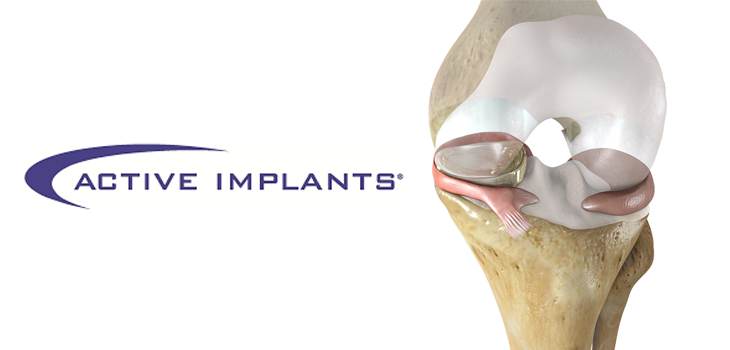
According to the company, the implant is a meniscus replacement in patients with persistent knee pain following medial meniscus surgery. “Meniscus replacement has the potential to fill the gap between minimally invasive meniscus repair and total knee replacement.”
The implant is made from a medical grade plastic called, polycarbonate-urethane. As a result of the implants materials and composite structure and design, the company says the implant does not require fixation to bone or soft tissues. “The NUsurface Implant mimics the function of the natural meniscus and redistributes loads transmitted across the knee joint.”
The implant has been used in Europe under CE Mark since 2008 and Israel since 2011. The SUN and VENUS U.S. clinical trials completed enrollment in June 2018, and Active Implants is expecting to file for regulatory approval in the U.S. in the next two years.
Author
React:
Discussion
This is a fascinating development. In my practice we've seen similar outcomes with the revised protocol. The key differentiator seems to be patient selection criteria. Has anyone else noticed the correlation with BMI thresholds?
Great point. I'd push back slightly on the conclusion, the sample size in the cited study is too small to draw population-level inferences. That said, the directional signal is compelling and worth a larger RCT.
We implemented a similar approach last year. Early results are promising but we're still gathering 12-month follow-up data. Happy to share our protocol if anyone is interested.
Join the conversation
Orthopedic professionals are discussing this. Sign in and upgrade to read every comment and add your voice.