
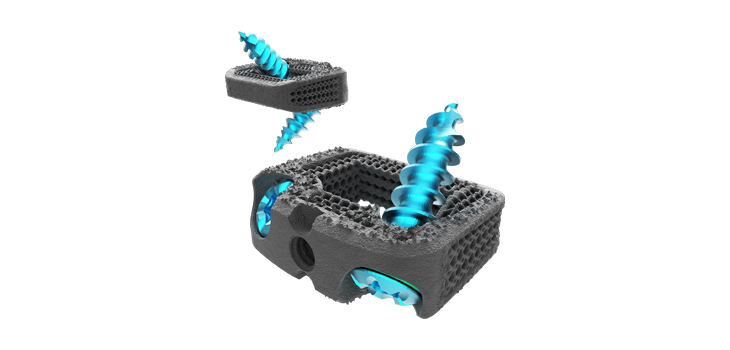
Noblesville, Indiana-based Nexxt Spine LLC has announced that the FDA has cleared for commercial sale via the 510(k) process the NEXXT MATRIXX Stand Alone Cervical System.
FDA Clears NEXXT MATRIXX Stand Alone Cervical System
1 min read Premium comments
Secondary#nexxtmatrix#cervicalinterbodyfusion
According to the company, “NEXXT MATRIXX Stand Alone Cervical System is a stand-alone anterior cervical interbody fusion system intended for use as an adjunct to fusion at one or two contiguous levels (C2-T1) in skeletally mature patients for the treatment of degenerative disc disease (defined as discogenic neck pain with degeneration of the disc confirmed by history and radiographic studies.”
“The NEXXT MATRIXX Stand Alone Cervical System is to be used with autograft bone graft and/or allogeneic bone graft composed of cancellous and/or corticocancellous bone and implanted via an open, anterior approach. NEXXT MATRIXX Stand Alone Cervical System is also intended to be used with the bone screw fixation provided and requires no additional fixation.”
Nexxt Spine’s President Andy Elsbury told OTW, “Nexxt Spine is excited to release our standalone cervical system into the market. The launch comes with much industry anticipation as our products are revered for mastering the fusion of engineering and bone biology. We will continue to roll out products that raise the bar and change the landscape of spinal solutions.”
He added, “This enhancement of the NEXXT MATRIXX portfolio was the next natural progression for Nexxt Spine. With patient care always top of mind, we strive to develop end products that surgeons prefer and hardware patients can count on. Our Stand Alone Cervical is no exception and will showcase the propensity of NEXXT MATRIXX technology to facilitate the body’s natural power of cellular healing for fortified fusion.”
This new system is available in a variety of footprints and screws for one step locking along with multiple drill and inserter options.
Author
React:
Discussion
This is a fascinating development. In my practice we've seen similar outcomes with the revised protocol. The key differentiator seems to be patient selection criteria. Has anyone else noticed the correlation with BMI thresholds?
Great point. I'd push back slightly on the conclusion, the sample size in the cited study is too small to draw population-level inferences. That said, the directional signal is compelling and worth a larger RCT.
We implemented a similar approach last year. Early results are promising but we're still gathering 12-month follow-up data. Happy to share our protocol if anyone is interested.
Join the conversation
Orthopedic professionals are discussing this. Sign in and upgrade to read every comment and add your voice.