
New South Wales, Australia-based Saluda Medical Pty Limited has announced that it has raised $75 million in equity financing from Boston Scientific Corporation, Redmile Group LLC as well as secured a four-year term loan agreement with Medtronic.
Saluda Medical Secures Big Dollars From the Big Boys
2 min read Premium comments
#bostonscientific#medtronicSecondary#saludamedical
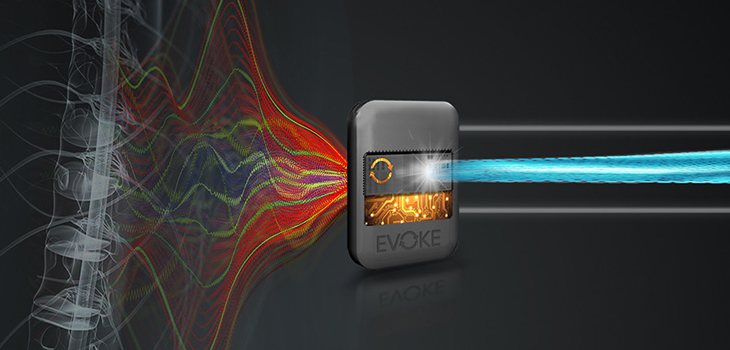
The financing is intended to fund the final stages of development of Saluda Medical’s Evoke® ECAP-Controlled, Closed-Loop Spinal Cord Stimulation (SCS) System for the treatment of chronic intractable pain of the trunk and limbs. Evoke is investigational and not yet approved for sale in the U.S.
Marlborough, Massachusetts-based Boston Scientific is a medical device manufacturer that develops devices that are used in interventional medical specialties, including interventional radiology, interventional cardiology, peripheral interventions, neuromodulation, neurovascular intervention, electrophysiology, cardiac surgery, vascular surgery, endoscopy, oncology, urology and gynecology.
Redmile Group is a San Francisco-based fund that invests in healthcare.
Dublin, Ireland-based Medtronic plc is the world’s largest medical device manufacturer and an innovator in spinal cord stimulation. Medtronic is an existing shareholder of Saluda Medical and has participated in two previous financing rounds.
OTW spoke with Saluda Medical CEO John Parker. Parker told us, “Together, the debt financing with Medtronic and the capital raise with Boston Scientific and Redmile collectively enable us to fund final development and provide us with a strong runway to early stage commercialization of our Evoke® ECAP-Controlled, Closed-Loop SCS System.”
Parker continued, “We believe that the interest from all parties is a strong reflection of the positive data that we have generated over the last few years for Evoke and its potential to have a positive impact on pain relief for patients suffering from chronic pain. Most recent results from our Evoke US pivotal trial out to 3 months show Evoke met all pre-specified endpoints and demonstrates superiority and our Avalon single-arm Australian study long-term outcomes at 18 months show that with Evoke, pain relief continues to improve over time.”
Parker explained that, “Evoke is designed to be the first closed-loop SCS system that measures the spinal cord’s response to stimulation (via ECAPs, or evoked compound action potentials) and, as a result of the closed-loop feedback, adjusts on every pulse to maintain activation within the patient’s therapeutic window. The control loop was created to ensure that a higher percentage of stimuli result in activating a desired therapeutic volume of mechano-sensory fibers of the dorsal column.”
Parker continued, “By design, there is both an increase in the percentage of time the fiber activation is within the therapeutic window and in volume of fiber activity when compared to open-loop devices, setting up the Evoke to provide greater pain relief. Our Evoke closed-loop technology was developed to provide an objective measure based on this neurophysiological response to control therapy delivery and provide insight into the mechanism of action of spinal cord stimulation.”
Author
React:
Discussion
This is a fascinating development. In my practice we've seen similar outcomes with the revised protocol. The key differentiator seems to be patient selection criteria. Has anyone else noticed the correlation with BMI thresholds?
Great point. I'd push back slightly on the conclusion, the sample size in the cited study is too small to draw population-level inferences. That said, the directional signal is compelling and worth a larger RCT.
We implemented a similar approach last year. Early results are promising but we're still gathering 12-month follow-up data. Happy to share our protocol if anyone is interested.
Join the conversation
Orthopedic professionals are discussing this. Sign in and upgrade to read every comment and add your voice.