
Fusion Robotics. LLC is a bit more flush today as a result of a new investment (undisclosed amount) led by Alex Lukianov (Lukpartners, LLC) and Kevin Foley, M.D. The funds will be used to ready the company’s spinal robotics platform to obtain regulatory clearance and to prepare for commercialization.
Lukianov and Foley Help Fund Fusion Robotics
1 min read Premium comments
#spinesurgerySecondary#fusionrobotics#surgicalrobots
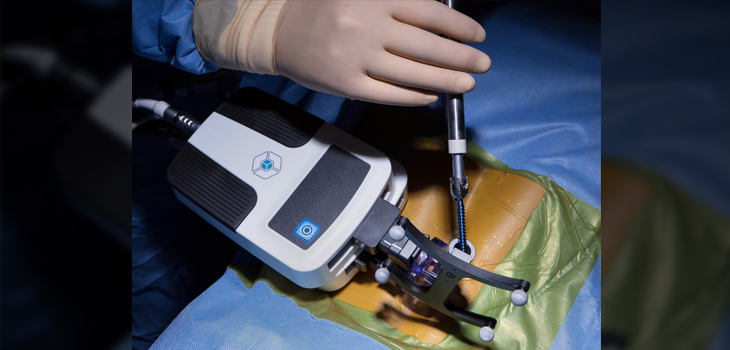
According to Fusion Robotics, the platform is an integration of technologies from Interventional Systems (Wattens, Austria) and Practical Navigation, LLC (Boulder, Colorado). Fusion Robotics’ CEO Brad Clayton, said, “The Fusion Robotics platform has a small footprint and is simple, cost-effective and scalable” which differentiates the system from other spinal robots currently on the market and in the immediate-term product pipeline.
“Fusion Robotics will create opportunities for wide-scale adoption of robotics in spine surgery—both in hospitals and ambulatory surgery centers (ASC’s)—by addressing constraints related to practicality and cost. We see tremendous potential and are excited to bring this technology to the global spine market,” said Alex Lukianov, who will hold the role of Chairman of the Board for Fusion Robotics.
Brad Clayton described some of the product features to OTW, “Scalability is enabled by the minimal OR footprint, streamlined setup and ease-of-use as compared to the existing systems on the market. To offer robotic surgery as the standard, most facilities will require multiple robots, which means they will need to be able to afford purchasing them but will also need to store them, clean them and transport them efficiently. Our mission is to accomplish this while also enhancing overall ease-of-use.”
“Reduced cost and size without clinical compromise; the introduction of a system that will have a broad impact throughout the global spinal surgery market.”
Author
React:
Discussion
This is a fascinating development. In my practice we've seen similar outcomes with the revised protocol. The key differentiator seems to be patient selection criteria. Has anyone else noticed the correlation with BMI thresholds?
Great point. I'd push back slightly on the conclusion, the sample size in the cited study is too small to draw population-level inferences. That said, the directional signal is compelling and worth a larger RCT.
We implemented a similar approach last year. Early results are promising but we're still gathering 12-month follow-up data. Happy to share our protocol if anyone is interested.
Join the conversation
Orthopedic professionals are discussing this. Sign in and upgrade to read every comment and add your voice.