
Move over, HbA1c…when it comes to prosthetic joint infection (PJI), there is a more accurate marker in town—fructosamine.
2019 Insall Award Goes to Better Infection Biomarker
2 min read Premium comments
Secondary#fructosamine#glycaemicmarker#johninsallaward
And work on this topic has be honored with the 2019 John Insall Award.
The research, “2019 John Insall Award: Fructosamine is a better glycaemic marker compared with glycated haemoglobin (HbA1C) in predicting adverse outcomes following total knee arthroplasty,” was published in the July 30, 2019 edition of The Bone and Joint Journal.
Noam Shohat, M.D. an orthopedic resident at the Rothman Orthopaedic Institute at Thomas Jefferson University, Philadelphia and study co-author explained to OTW how the team settled on this study, “While there is an agreement among surgeons that inadequate glycemic control is associated with an increased risk for PJI, the commonly used marker (HbA1c) at various cutoffs that were examined in the past failed to show a significant association.”
“Another major problem with HbA1c is a long time to see a response to treatment (3 months), thus in patients with high HbA1c, surgery may be delayed for long periods. Fructosamine is tightly correlated with continuous glucose measurements and a better reflector of glucose variability compared to HbA1c.”
“Several studies have shown that it is the fluctuation in glucose that correlates with a lack of immune response rather than absolute hyperglycemia. Another major advantage of fructosamine is its quick response to treatment (2-3 weeks).”
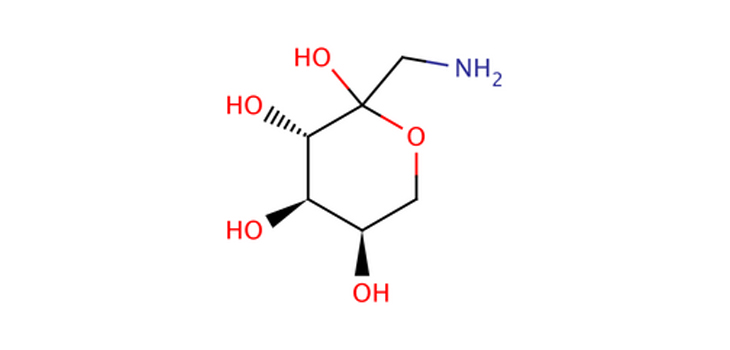
“In a single-center study (JBJS 2018) including 830 patients, we saw that fructosamine levels above 292 were strongly associated with adverse outcomes following knee and hip arthroplasties, mainly PJI.”
“Fructosamine is a marker of glycated protein (mostly albumin). Results should be interpreted carefully in patients with a protein-losing state, or overproduction.”
“Our results with fructosamine are very promising. We suggest that arthroplasty surgeons start using fructosamine routinely prior to surgery and reconsider prior to operating on patients with a level above 292. Surgeons in other fields of orthopedics and medicine should also look into fructosamine as a predictor for infection.”
Additional authors on this work are Majd Tarabichi, M.D., Timothy L. Tan, M.D., Karan Goswami, M.D., Michael M. Kheir, M.D., Arthur L. Malkani, M.D., Roshan P. Shah, M.D., Ran Schwarzkopf, M.D., and Javad Parvizi, M.D.
Author
React:
Discussion
This is a fascinating development. In my practice we've seen similar outcomes with the revised protocol. The key differentiator seems to be patient selection criteria. Has anyone else noticed the correlation with BMI thresholds?
Great point. I'd push back slightly on the conclusion, the sample size in the cited study is too small to draw population-level inferences. That said, the directional signal is compelling and worth a larger RCT.
We implemented a similar approach last year. Early results are promising but we're still gathering 12-month follow-up data. Happy to share our protocol if anyone is interested.
Join the conversation
Orthopedic professionals are discussing this. Sign in and upgrade to read every comment and add your voice.