
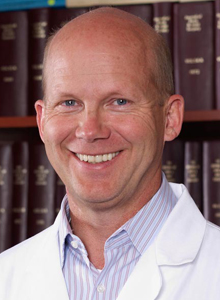
Robert F. LaPrade, M.D., Ph.D., formerly of The Steadman Clinic in Vail, Colorado, has now brought his talents to the Twin Cities Orthopedics (TCO). Dr. LaPrade, an internationally known complex orthopedic knee and sports medicine surgeon, has treated a host of national and international athletes—including Olympians.
Robert F. LaPrade, M.D., Ph.D. Joins Twin Cities Orthopedics
1 min read Premium comments
#steadmanclinic#robertlaprade#twincitiesorthopedics
Dr. LaPrade has been honored with the Orthopaedic Research and Education Foundation (OREF) Clinic Research Award and has published over 400 peer-reviewed scientific manuscripts and 125 book chapters.
On his educational website, patients and professions can find information on the latest treatments for knee and sports injuries.
“My wife and I are very excited to be returning to the Twin Cities where we raised our three sons,” said LaPrade. “It is an honor and privilege to be joining Twin Cities Orthopedics with their top surgeons and state-of-the-art facilities. Minnesota is home to my family and me, and I am eager to be back providing specialized care in our hometown.”
Dr. LaPrade, who will practice at TCO’s Eagan—Viking Lakes and TCO Edina—Crosstown locations, told OTW, “I started seeing patients in clinic on June 3 and my outpatient surgery cases began on June 4. I hope to be ramped up to a full-time clinical practice role by the end of June.”
Asked how his research activities might change, Dr. LaPrade commented, “Twin Cities Orthopedics has been very supportive and encouraging for me to continue my bench-to-bedside research program. My desire to continue with cutting edge research to improve patient care has not changed, so I do not anticipate a big change in our research initiatives and volume once our program gets ramped up.”
Author
React:
Discussion
This is a fascinating development. In my practice we've seen similar outcomes with the revised protocol. The key differentiator seems to be patient selection criteria. Has anyone else noticed the correlation with BMI thresholds?
Great point. I'd push back slightly on the conclusion, the sample size in the cited study is too small to draw population-level inferences. That said, the directional signal is compelling and worth a larger RCT.
We implemented a similar approach last year. Early results are promising but we're still gathering 12-month follow-up data. Happy to share our protocol if anyone is interested.
Join the conversation
Orthopedic professionals are discussing this. Sign in and upgrade to read every comment and add your voice.