
A recent study, “Posterior Labral Repairs of the Shoulder Among Baseball Players: Results and Outcomes With Minimum 2-Year Follow-up,” published on May 14, 2019 in The American Journal of Sports Medicine found that baseball pitchers have a lower return to previous level of play than position players after posterior labral repairs.
Baseball Pitchers Rehab Slower From Posterior Labral Repairs
1 min read Premium comments
Secondary#baseballpitcher#baseballplayers#posteriorlabralrepairs
There has been very little information about the treatment and postoperative outcomes of posterior labral tears of the shoulder for baseball players until now. This study evaluated the clinical presentation, surgical findings, postoperative outcomes, and rate of return to sport for baseball players who had undergone surgery to repair posterior labral tears in the shoulder.
The researchers conducted a retrospective review of 32 baseball players who underwent arthroscopic posterior labral repair between 2009 and 2015 by a single surgeon. They were all followed for a minimum of two years. In total, 6.3% of the baseball players played recreationally, 43.8% in high school, 31.3% in college and 18.8% professionally. The mean age was 20.5 years.
According to the data collected, tear patterns included 90˚ of the posterior superior labrum (32%), posterior 180˚ (35%), and 90˚of the posterior inferior labrum (32%). Most of the injuries occurred while throwing (34%) and the biggest symptoms were pain (78%) and pain and instability (18.8%). Only 3% reported experiencing isolated sensation of instability.
MRI was able to successfully identify tear patterns for 75% of the patients and American Shoulder and Elbow Surgeons scores increased on average 30.9 points from a preoperative mean of 65.4 to a postoperative mean of 96.3 (p < .0001).
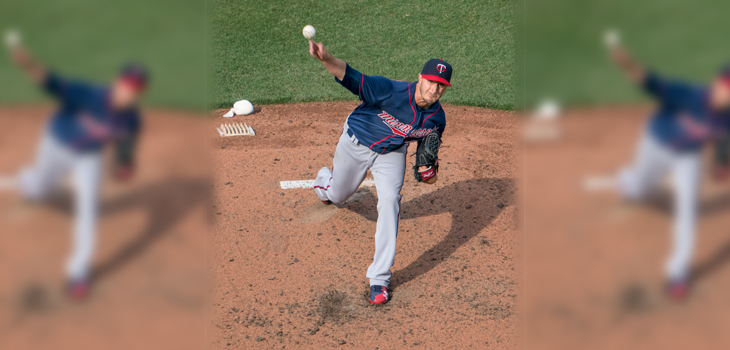
Overall, 94% of the baseball players returned to play, 61% of them at the same level of performance as before; however, pitchers had a lower return to their previous level of performance than position players (41% vs. 86%; p = .0113). Patient satisfaction was also 94%.
The researchers wrote, “Patient presentation is variable, with majority of patients citing pain rather than instability.”
Author
React:
Discussion
This is a fascinating development. In my practice we've seen similar outcomes with the revised protocol. The key differentiator seems to be patient selection criteria. Has anyone else noticed the correlation with BMI thresholds?
Great point. I'd push back slightly on the conclusion, the sample size in the cited study is too small to draw population-level inferences. That said, the directional signal is compelling and worth a larger RCT.
We implemented a similar approach last year. Early results are promising but we're still gathering 12-month follow-up data. Happy to share our protocol if anyone is interested.
Join the conversation
Orthopedic professionals are discussing this. Sign in and upgrade to read every comment and add your voice.