
A new study says that prolonged opioid use correlates to the number of morphine milligram equivalents (MMEs) prescribed at discharge after an operation, not the type of opioid, and that many prescribers are failing to correctly calculate dosages.
Opioid Use: It’s How Many MMEs, Not the Type
2 min read Premium comments
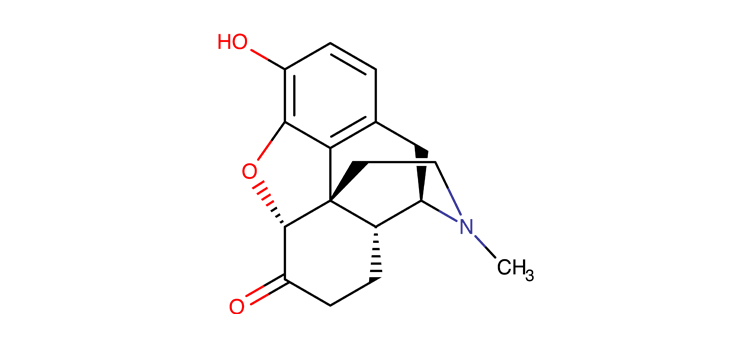
Secondaryoxycodone#hydromorphone#mme
“One of the frequent myths we encounter among clinicians is that some types of opioids, such as hydromorphone, are more dangerous than others,” said senior study author and orthopedic surgeon Marilyn Heng, M.D., M.P.H., FRCSC. “The goal of our study was to assess if the initial opiate type prescribed to postoperative, opiate-naïve orthopaedic trauma patients was associated with prolonged opioid use. Our findings demonstrate how current beliefs about the mechanism of prolonged use may be confounded.”
The study results (“Prescription Opioid Type and the Likelihood of Prolonged Opioid Use After Orthopaedic Surgery”) were published in the May 1 issue of the Journal of the American Academy of Orthopaedic Surgeons. The authors studied 17,961 adult patients who had surgery within 14 days after a traumatic musculoskeletal injury, and who were then were prescribe opioids upon discharge. Patients who had a prior history of opioid abuse or who had taken opioids for any reason six months prior to surgery were excluded.
The study defined “prolonged” as opiate use beyond 90 days of initial prescription.
They said their results show a pattern of failure to properly calculate an equivalence dose among opioid types using MMEs, and that this failure to convert can result in higher dosages being prescribed at discharge, which puts patients at higher risk of abuse.
“There tends to be bias in how providers prescribe drugs, and it’s focused on the number of tablets, instead of MME. However, it’s really the amount of MMEs that make a difference,” said Dr. Heng.
For example, 20 pills of oxycodone equal 142% of the same number of pills of hydromorphone, the study said.
“This often leads to the notion that certain opioid types appear to be associated with higher odds of complications, when in fact, we are prescribing much more of the stronger drug, which can lead to dependency,” said Dr. Heng.
The study abstract adds, “When we adjusted for discharge MME, only opioid quantity was predictive of prolonged use (P < 0.001). In addition, discharge MME was associated with opioid type (P < 0.01).”
“P < 0.001″ is a statistical significance level meaning that there’s less than one chance in a thousand that their conclusion is incorrect.
The study authors are Matthew Basilico, AB, AM, Mitchell B. Harris, M.D., and Abhiram R. Bhashyam, M.D., MPP, and Dr. Heng; they’re all affiliated with Harvard University, and the physicians with Massachusetts General Hospital.
Hydromorphone is sold under the brand name Dilaudid by Purdue Pharm in the U.S., and in Canada, it is sold under the brand name Apo-hydromorphone Apotex Corporation and Bar-hydromorphone HCl by Bard Pharmaceuticals, according to DrugBank.
Consistent with the study findings, the Drug Enforcement Administration says hydromorphone is well known by other names on the street: dust, juice, dillies, smack, D, and footballs. DEA says it’s potently addictive.
Author
React:
Discussion
This is a fascinating development. In my practice we've seen similar outcomes with the revised protocol. The key differentiator seems to be patient selection criteria. Has anyone else noticed the correlation with BMI thresholds?
Great point. I'd push back slightly on the conclusion, the sample size in the cited study is too small to draw population-level inferences. That said, the directional signal is compelling and worth a larger RCT.
We implemented a similar approach last year. Early results are promising but we're still gathering 12-month follow-up data. Happy to share our protocol if anyone is interested.
Join the conversation
Orthopedic professionals are discussing this. Sign in and upgrade to read every comment and add your voice.