
A recent study published in the May 2019 issue of The Journal of Foot & Ankle Surgery (“Progression of Healing on Serial Radiographs Following First Ray Arthrodesis in the Foot Using a Biplanar Plating Technique Without Compression”) provided new outcomes data for biplanar plating fixation during Lapiplasty 3D Bunion Correction. The researchers found that this approach resulted in high fusion rates even when patients began weightbearing earlier.
Bunion Correction With Lapiplasty Data Released
2 min read Premium comments
Secondary#halluxvagus#biplanarfixation#lapiplasty3dbunioncorrection
The study investigators followed 195 patients who had been treated with either a fusion of the tarsometatarsal joint or fusions of the great toe with biplanar plating fixation for a follow up of almost 10 months. Of these patients, 19.5% had comorbidities that have been proven to slow bone healing like diabetes and smoking. Weightbearing began about 5 days post-surgery.
According to the data collected. 97.4% of the patients experienced a successful fusion of the joint and for 98.9%, stability of the joint remained solid throughout the study.
Paul Dayton, DPM of the Midwest Bunion Center in Des Moines, Iowa, who was the lead author of the study, said, “This study demonstrated positive bone healing rates over progressive timepoints when utilizing biplanar plating without a cross-joint compression screw in procedures used to treat bunions or arthritis of the big toe joint. The bone healing rates were quite encouraging given this unique fixation approach allowed patients to undergo an accelerated recovery protocol and to initiate weightbearing in a post-operative boot within their week of surgery.”
He added that the “implant removal rate was a very low 3.1% compared with conventional plate implants where published removal rates can be upwards of 17% for tarsometatarsal and 20% for MTP [metatarsophalangeal] joint fusion procedures.”
Dayton told OTW that despite some patients having slower than expected healing and one patient experiencing a broken plate, overall the biplanar fixation allowed for quicker recovery, and better stability. The patients were able to walk in a boot a lot sooner than they could with standard care bunion surgery.
He noted that the 3D correction was not recommend for patients with arthritis of the big toe joint.
John T. Treace, CEO of Treace Medical Concepts, Inc. also said, “The rapid time to weightbearing, high rate of bone healing, and low implant removal rate reported in this study further highlight the patient benefits of biplanar plating—the fixation method used in the Lapiplasty Procedure.”
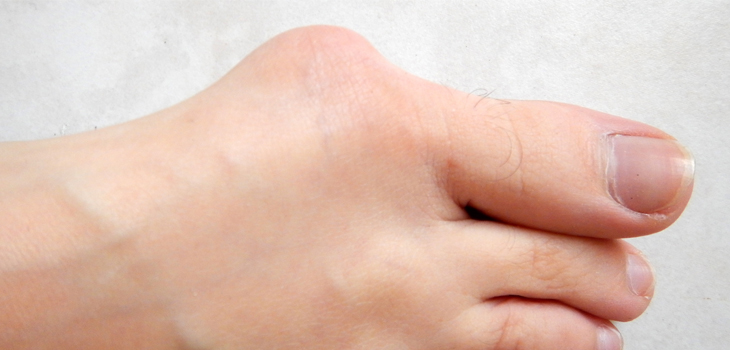
The Lapiplasty 3D Bunion Correction Procedure is designed to surgically treat hallux valgus, a common deformity of the foot. According to Treace Medical, about 60 million people in the U.S. suffer from bunions.
Treace Medical is a private medical device company headquartered in Ponte Vedra, Florida. Their Lapiplasty 3D Bunion Corrections treats bunions by correcting all three planes of the deformity.
Author
React:
Discussion
This is a fascinating development. In my practice we've seen similar outcomes with the revised protocol. The key differentiator seems to be patient selection criteria. Has anyone else noticed the correlation with BMI thresholds?
Great point. I'd push back slightly on the conclusion, the sample size in the cited study is too small to draw population-level inferences. That said, the directional signal is compelling and worth a larger RCT.
We implemented a similar approach last year. Early results are promising but we're still gathering 12-month follow-up data. Happy to share our protocol if anyone is interested.
Join the conversation
Orthopedic professionals are discussing this. Sign in and upgrade to read every comment and add your voice.