
Concerned about the 2017 CDC guidelines on surgical site infection (SSI) advising against the continuation of antibiotics postoperatively after total joint arthroplasty (TJA), a multicenter team of researchers evaluated 23 randomized controlled trials (RCTs) and 2 prospective cohort, 3 retrospective cohort, and 4 case-control studies with a total of 51,627 patients.
51,000 Patient Study Contradicts CDC Infection Guidelines
2 min read Premium comments
#surgicalsiteinfection#totaljointarthroplastySecondary#perioperativeantibiotics
Their work, “Perioperative Antibiotic Prophylaxis in Total Joint Arthroplasty,” was published in the May 1, 2019 edition of The Journal of Bone and Joint Surgery.
Ahmed Siddiqi, DO, with the Department of Orthopaedic Surgery, Philadelphia College of Osteopathic Medicine, Philadelphia, Pennsylvania, and co-author on the study. Dr. Siddiqi explained the rationale behind the study to OTW, “Historically, perioperative antibiotics have always been given in total joint arthroplasty—long before standardized guidelines came into place. The debate has generally revolved around duration of post-operative antibiotics (<24 hours versus >24 hours). Therefore, it was rather surprising to see CDC recommendations against the continuation of antibiotics postoperatively altogether.”
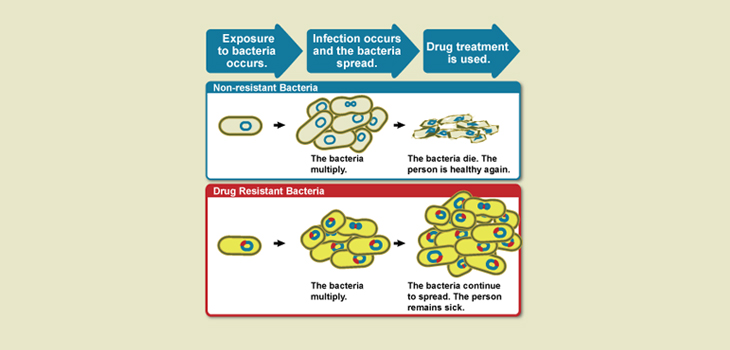
“The idea behind limited antibiotic usage and appropriate antibiotic stewardship is to prevent the generation of multi drug resistant organisms or ‘superbugs.’ If there is no data that there is increased post op joint infection without the continuation of antibiotics, then this may be a reasonable idea. However, given the current data in the literature, we are unable to make that definitive statement.”
The authors wrote, “The overall pooled effect for the comparison between a single preoperative dose of antibiotic and continued (preoperative plus postoperative) administration was 0.96 (95% confidence interval [CI], 0.73 to 1.26), suggesting no difference in effect. However, the 95% confidence interval for the relative risk would include a reduction of approximately 27% in either group. The overall pooled effect from the comparison between SAP of ≤24 and >24 hours postoperatively demonstrated no difference in effect.”
Dr. Siddiqi summarized his findings to OTW, “The most important findings of this meta-analysis are that the current data on single dose antibiotics versus continuation postoperative (<24h) has a significant amount of risk of bias with low quality results. Most of the studies in the literature are underpowered to find a statistically significant difference.”
“Since the 2017 CDC guidelines recommend against the continuation of postoperative antibiotics after TJA, surgeons may be found out of compliance if they adhere to standard practice of continuation of antibiotics <24h postop. However, given the limited data behind these recommendations, surgeons should continue antibiotics utilization until higher quality studies demonstrate single dose of antibiotics to be non-inferior to multiple doses.”
“It is important for surgeons to carefully examine standardized guidelines before blindly accepting them and implementing them into practice. It is important to be aware of the existing literature that is referenced in such guidelines and assess the quality of the studies before changing one’s clinical practice.”
Author
React:
Discussion
This is a fascinating development. In my practice we've seen similar outcomes with the revised protocol. The key differentiator seems to be patient selection criteria. Has anyone else noticed the correlation with BMI thresholds?
Great point. I'd push back slightly on the conclusion, the sample size in the cited study is too small to draw population-level inferences. That said, the directional signal is compelling and worth a larger RCT.
We implemented a similar approach last year. Early results are promising but we're still gathering 12-month follow-up data. Happy to share our protocol if anyone is interested.
Join the conversation
Orthopedic professionals are discussing this. Sign in and upgrade to read every comment and add your voice.