
A new prospective, randomized study of a targeted cold therapy where precise, controlled doses of cold are delivered to freeze peripheral nerves as compared to daily morphine equivalents (DMEs) found that the targeted cold therapy cut the use of opioids following total knee arthroplasty (TKA) surgery by an average of 35% over 12 weeks and significantly reduced pain.
Targeted Cold Therapy Cut Opioid Use 35% in TKR Patients
1 min read Premium comments
#totalkneearthroplastySecondary#dailymorphineequivalents#lovera
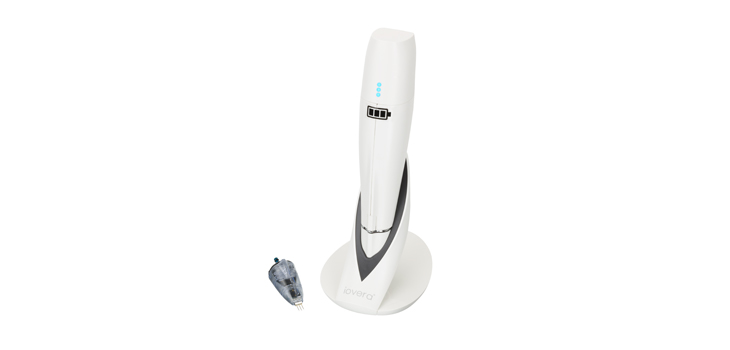
The target cold therapy, brand named ioverao is produced by Myoscience, Inc..
Timothy I. Still, company president and CEO, told OTW, “At the recent annual meeting of the American Academy of Orthopaedic Surgeons (AAOS) 2019, positive preliminary clinical results were presented supporting the iovera° system as an effective alternative to opioids significantly reducing the use of opioids and reducing pain.”
“In the 125-patient prospective and randomized study, patients’ daily morphine equivalents (DMEs), or the measure of taking prescribed opioids based on the pill count, were significantly lower in the iovera° treatment group at 72 hours, 6 weeks and 12 weeks after the surgery with an overall reduction in DME by 35% at the 12-week mark.
“There were three times more patients taking opioids at six weeks after surgery in the control group than in the iovera° treatment group—46% verses only 16%. Additionally, the iovera° treatment group demonstrated significant reduction in pain scores from the baseline at 72 hours and at 12 weeks.”
“iovera° Smart Tips deliver precise, controlled doses of cold to freeze peripheral nerves, producing an immediate and long-lasting nerve block. The new Smart Tip 309 includes longer needles that produce larger cold zones to safely and effectively treat the superficial genicular nerves in a broader patient population, including those with a high body mass index.”
“Total knee replacement is known to be among the most painful surgeries. The opportunity to share our positive data with the clinical community directly following the announcement of our agreement with Pacira has been really exciting for us. We are proud of the impact this technology has made and look forward to seeing it reach its full potential as part of the Pacira portfolio.”
Author
React:
Discussion
This is a fascinating development. In my practice we've seen similar outcomes with the revised protocol. The key differentiator seems to be patient selection criteria. Has anyone else noticed the correlation with BMI thresholds?
Great point. I'd push back slightly on the conclusion, the sample size in the cited study is too small to draw population-level inferences. That said, the directional signal is compelling and worth a larger RCT.
We implemented a similar approach last year. Early results are promising but we're still gathering 12-month follow-up data. Happy to share our protocol if anyone is interested.
Join the conversation
Orthopedic professionals are discussing this. Sign in and upgrade to read every comment and add your voice.