
In a study of 147 patients in Sweden, researchers found that older persons who have waited >1 year between injury and reconstruction may require extra postop attention.
Predictors of Osteoarthritis After ACL Repair
2 min read Premium comments
#osteoarthritis#anteriorcruciateligamentSecondary
The study, “Preoperative and Intraoperative Predictors of Long-Term Acceptable Knee Function and Osteoarthritis After Anterior Cruciate Ligament Reconstruction: An Analysis Based on 2 Randomized Controlled Trials,” appears in the February 2019 edition of Arthroscopy.
Eric Hamrin Senorski, P.T., Ph.D., M.Sc., with the University of Gothenburg in Sweden, explained the rationale behind the study to OTW, “Our primary rationale was to determine predictors/risk factors for long-term knee function, both in terms of development of osteoarthritis and acceptable patient-perceived knee function.”
“Understanding what patients will (or have a better chance) fare well and who will end up with a suboptimal outcome is very important for decision-making and expectation setting in clinic. Our study is a small step in getting closer to an individualized treatment after ACL [anterior cruciate ligament] injury.”
“This study is a long-term follow-up of two previous randomized controlled trials of 193 patients who underwent unilateral ACL reconstruction with ipsilateral hamstring tendon or patellar tendon autografts. Patients who suffered multiligament injuries, major meniscal injuries, chondral lesions requiring surgical treatment, or had a previous ACL reconstruction were excluded.”
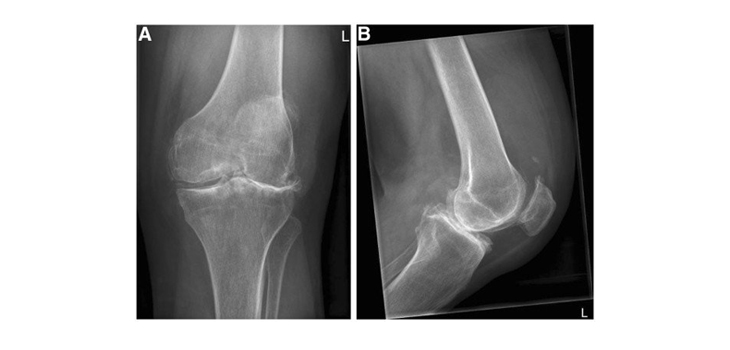
Dr. Senorski discussed the study’s findings with OTW, “Not surprisingly, patients who were older at the time of ACL reconstruction and had waited >1 year between the injury and reconstruction ran an increased risk of having osteoarthritis 16 years after reconstruction. One in two patients reported acceptable long-term knee function, but no risk factor for poorer patient perceived (non-acceptable) knee function was identified. Interestingly, in the 50% of the patients who reported acceptable knee function at on average 16 year after ACL reconstruction, one-third had developed osteoarthritis.”
“On the basis of the results of the present study, clinicians should be aware that patients who undergo ACL surgery at an older age and have waited >1 year between injury and reconstruction may require additional attention during rehabilitation and help setting realistic future expectations, considering the increased risk of developing osteoarthritis. In addition, it appears necessary to suggest that short-term postoperative outcomes should also be included when helping patients to set expectations for long-term knee function.”
Author
React:
Discussion
This is a fascinating development. In my practice we've seen similar outcomes with the revised protocol. The key differentiator seems to be patient selection criteria. Has anyone else noticed the correlation with BMI thresholds?
Great point. I'd push back slightly on the conclusion, the sample size in the cited study is too small to draw population-level inferences. That said, the directional signal is compelling and worth a larger RCT.
We implemented a similar approach last year. Early results are promising but we're still gathering 12-month follow-up data. Happy to share our protocol if anyone is interested.
Join the conversation
Orthopedic professionals are discussing this. Sign in and upgrade to read every comment and add your voice.