
OrthoCarolina recently released NASCAR surgery numbers and injury trends from the 2018 season and reported that injury rates were less than expected.
NASCAR Sports Med Stats Encouraging
2 min read Premium comments
Secondary#billheisel#glengaston#nascarinjuries
OrthoCarolina performed 110 total NASCAR-affiliated surgeries as part of the 2018 season, with 55 surgeries taking place mid-season and 45 surgeries taking place offseason.
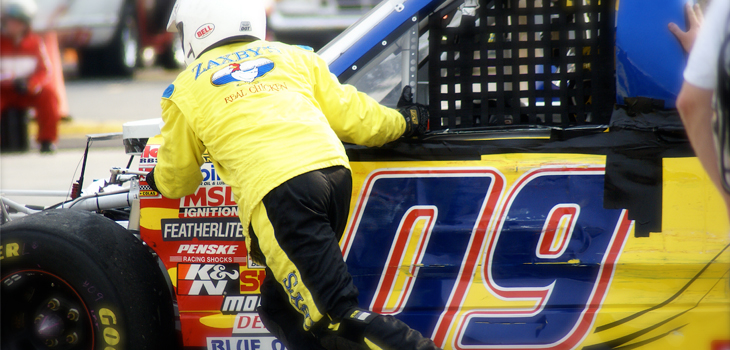
According to Bill Heisel, PA-C, director of OrthoCarolina Motorsports, there was an overall 2% increase in pit stop-related injuries from the 2017 to 2018 season—which was less than had been anticipated. Between 2017 and 2018, a new rule lowered the number of pit stop crewmen from six to five over the wall during stops.
“Fewer pit crew over the wall meant that athletes have to take on new roles and performing quick movements during extremely high-pressure events,” said Heisel.
“We had fully expected to see different biomechanical patterns evolve among these athletes with the changes last year, though they were not as drastic as predicted.”
Data culled from the Motorsport Injury Database which tracks injuries specific to pit crews and mechanics, included:
- A surge in elbow and forearm injuries in tire changers
- A slight increase in the number of total joint replacements compared to previous years, taking into account participant longevity in the sport and aging athletes and mechanics
- The number of foot and ankle surgeries remained consistent with those of previous years
- An increased number of spine injuries across all series of racing.
The Motorsport Injury Database, which initially began as an upper extremity-only database developed by OrthoCarolina Chief Hand Surgeon Glenn Gaston, M.D., has been expanded to include all body parts.
While NASCAR has a driver injury database, the Motorsports Injury Database is the only existing resource that tracks epidemiological trends in pit crew injuries. In recent years, it has shown a sharp increase in upper extremity injuries overall in pit crew members as well as hip injuries in tire changers.
“Core strength, flexibility and a strong fitness program are critical for these teams to stay healthy and competitive during the course of a 38-week season. It’s important to be aware of possible unanticipated physical demands that can place extra stress on the body.” Heisel said.
OrthoCarolina Motorsports provides care in team race shops during the week and trackside at races during the NASCAR season, including management of chronic, acute and major injuries, athletic training and physical therapy services, and specialist and primary care referrals. In its entirety the service line oversees medical care for NASCAR pit crews, drivers, team employees and officials as well as many of their family members.
OrthoCarolina Motorsports has formal relationships with Hendrick Motorsports, Stewart-Haas Racing, Roush Fenway Racing, JTG Racing and XCalibur Pit School.
OrthoCarolina also partners with Atrium Health and Carolina Neurosurgery and Spine to help manage primary care and spine for NASCAR athletes.
Author
React:
Discussion
This is a fascinating development. In my practice we've seen similar outcomes with the revised protocol. The key differentiator seems to be patient selection criteria. Has anyone else noticed the correlation with BMI thresholds?
Great point. I'd push back slightly on the conclusion, the sample size in the cited study is too small to draw population-level inferences. That said, the directional signal is compelling and worth a larger RCT.
We implemented a similar approach last year. Early results are promising but we're still gathering 12-month follow-up data. Happy to share our protocol if anyone is interested.
Join the conversation
Orthopedic professionals are discussing this. Sign in and upgrade to read every comment and add your voice.