
New data regarding single-use, sterile, disposable implant and instrument systems for first metatarsal phalangeal joint (MTP) arthrodesis procedures will be presented at the American College of Foot and Ankle Surgeons (ACFAS) 2019 Annual Meeting held in New Orleans, Louisiana February 13-16, 2019.
Single-Use Implants and Instruments Cut OR Time 33%
1 min read Premium comments
Secondary#flowerorthopedics#flowercube
But, OTW obtained a preview. It’s interesting.
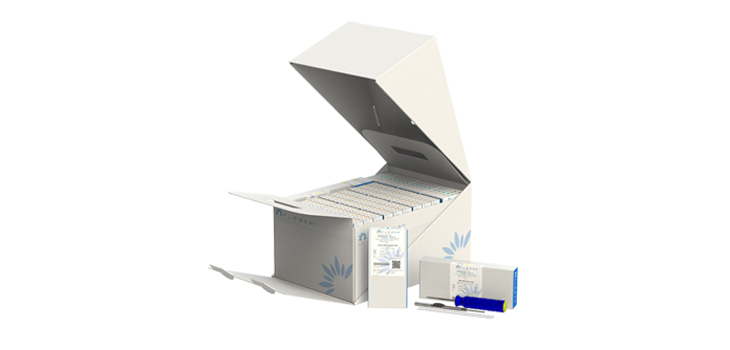
The study was a 14-month, multi-center prospective trial which compared the use of one of the more popular single-use systems, FlowerCube, to traditional implants in first metatarsal phalangeal joint fusions in 71 consecutive patients.
The lead investigator was John Levin, DPM of the JEM Research Institute located in Lake Worth, Florida.
The investigators found that using FlowerCube lowered intraoperative time by an obviously statistically significant 33% which created $1,300 in cost reductions. The study was conducted at an ambulatory surgery center. The investigators also reported that patient outcomes were equivalent to non-disposable instrumented procedures.
Specifically, 84.51% of study patients experienced union of the joints by 8 weeks post-surgery and 98.59% by 12 weeks post-surgery.
The full study will be presented by Dr. Levin at the ACFAS meeting.
Flower CEO and founder, Oliver Burckhardt, was pleased with the study results. “This study further illustrates and quantifies the savings the FlowerCube provides, all while maintaining optimal patient outcomes.”
“Flower has long been dedicated to innovative implants and instruments that streamline surgeries and reduce costs of foot and ankle surgeons,” he said.
Flower Orthopedics will also be introducing a new Jones screw for treatment of a fracture in the fifth metatarsal. The company will also introduce a 6.5mm Headless Compression screw at the conference.
For more information about where and when this study will be presented and where to find Flower Orthopedics at the New Orleans meeting, please visit the ACFAS 2019 conference website here.
Author
React:
Discussion
This is a fascinating development. In my practice we've seen similar outcomes with the revised protocol. The key differentiator seems to be patient selection criteria. Has anyone else noticed the correlation with BMI thresholds?
Great point. I'd push back slightly on the conclusion, the sample size in the cited study is too small to draw population-level inferences. That said, the directional signal is compelling and worth a larger RCT.
We implemented a similar approach last year. Early results are promising but we're still gathering 12-month follow-up data. Happy to share our protocol if anyone is interested.
Join the conversation
Orthopedic professionals are discussing this. Sign in and upgrade to read every comment and add your voice.