
An entirely new type of knee implant to treat osteoarthritis (OA) has been surgically implanted for the first time in the U.S.
Inaugural Implant of Entirely New Knee Implant Design
1 min read Premium comments
#totalkneearthroplasty#totalkneereplacementSecondary#calypsokneesystem
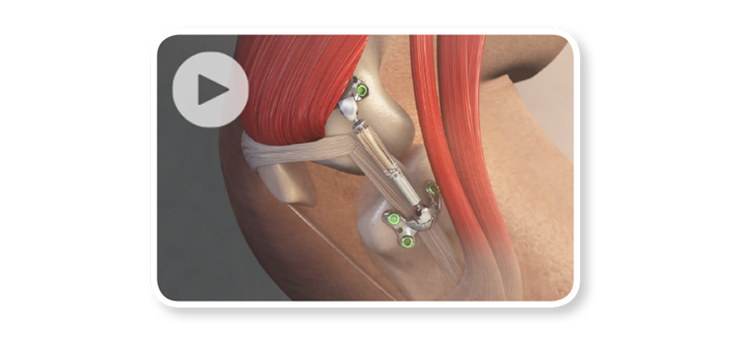
Known as the Calypso Knee System, the device was developed by Hayward, California-based Moximed, Inc. According to the company, the CalypsoKneeSystem treats OA in the inner knee and is designed to provide support outside of the knee joint without altering the anatomy or removing any tissue from the knee itself.
The procedure was done by orthopedic surgeon David Flanigan, M.D., at theOhio State University Wexner Medical Center as part of a trial with four participating sites.
“It works like a shock absorber to take pressure off the inside of the knee while creating a cushion similar to what cartilage provides in a healthy joint,” said Flanigan. “The hope is that it increases joint functionality, reduces pain and delays a total knee arthroplasty for years or even decades.”
Dr. Flanigan told OTW, “Overall, many solutions are being investigated to help the early to moderate arthritic patient prolong the need for total or partial joint replacement. The Calypso Knee System is one of these solutions that retains normal joint structures and function but off-loads the medial compartment. If this becomes a realistic alternative, it may help delay and/or decrease the number of total knee replacements needed.”
“This is an innovative solution for a large number of patients, and the trial will provide important data that can have a positive impact on our patients. This trial continues on previous studies in Europe and the U.S., and I with all of the investigators are excited to continue this important investigation into alternatives for the arthritic patient.”
Author
React:
Discussion
This is a fascinating development. In my practice we've seen similar outcomes with the revised protocol. The key differentiator seems to be patient selection criteria. Has anyone else noticed the correlation with BMI thresholds?
Great point. I'd push back slightly on the conclusion, the sample size in the cited study is too small to draw population-level inferences. That said, the directional signal is compelling and worth a larger RCT.
We implemented a similar approach last year. Early results are promising but we're still gathering 12-month follow-up data. Happy to share our protocol if anyone is interested.
Join the conversation
Orthopedic professionals are discussing this. Sign in and upgrade to read every comment and add your voice.