
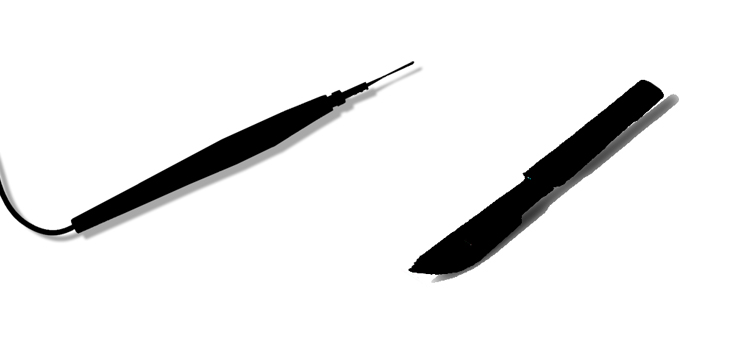
Electric cautery vs the scalpel. Which works better? Here’s a new double-blind study of 80 patients which found that electric cautery did not perform as well as one might have expected.
Electric Cautery vs the Scalpel. Which Works Better?
1 min read Premium comments
#totalkneearthroplastySecondary#surgicalbloodloss
The study, “Electric cautery does not reduce blood loss in primary total knee arthroplasty compared with scalpel only surgery: A double-blinded randomized controlled trial,” was published in the December 2018 edition of International Orthopaedics.
Co-author Nattapol Tammachote, M.D., M.Sc., associate professor in the Department of Orthopaedics, Faculty of Medicine at Thammasat University in Khlong Luang, Thailand, explains his study to OTW, “The topic of reducing blood loss after TKA [total knee arthroplasty] has been popular among orthopedists because the procedure had significant blood loss. Moststudies are focused on some drugs or some techniques such as whether to use a tourniquet or not, drain or no drain etc to reduce blood loss.”
“Some surgeons have been using scalpels for a long time but there was trend toward using electric cautery to perform TKA. Many surgeons thought that electric cautery might coagulate soft tissue and reduce blood loss during surgery. There was no study which investigated blood loss after TKA performed using a scalpel as compared with electric cautery.”
“This study revealed no difference in blood loss and functional outcomes between using scalpel and unipolar electric cautery in primary TKA with tourniquet. The patients who were treated using electric cautery had a higher inflammatory response at 48 hours after surgery. Therefore, we recommend orthopedic surgeons to use scalpel to perform TKA because it has similar blood loss to electric cautery and had lower inflammation. The costs of equipment are cheaper. The scalpel use also reduces the risk of smoke hazard during surgery.”
Finally, both groups had similar outcomes at three months with regard to wound complications and functional outcomes.
Author
React:
Discussion
This is a fascinating development. In my practice we've seen similar outcomes with the revised protocol. The key differentiator seems to be patient selection criteria. Has anyone else noticed the correlation with BMI thresholds?
Great point. I'd push back slightly on the conclusion, the sample size in the cited study is too small to draw population-level inferences. That said, the directional signal is compelling and worth a larger RCT.
We implemented a similar approach last year. Early results are promising but we're still gathering 12-month follow-up data. Happy to share our protocol if anyone is interested.
Join the conversation
Orthopedic professionals are discussing this. Sign in and upgrade to read every comment and add your voice.