
In what way and how extensively do prior hip arthroscropy interventions and hip preservation surgeries affect total hip replacement surgeries?
Does Prior Hip Arthroscopy Affect THA Outcomes?
1 min read Premium comments
#totalhipreplacementSecondary#hiparthroscopy#hippreservation
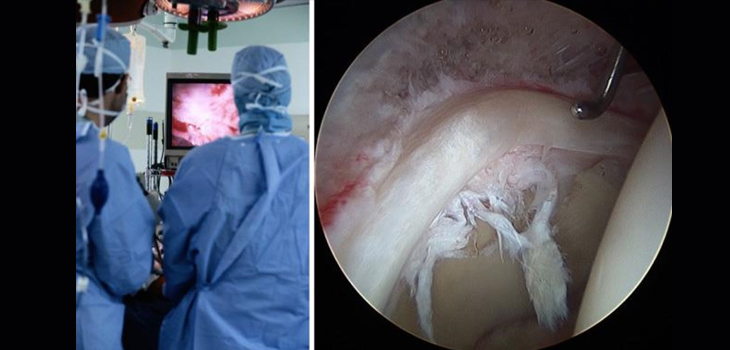
A new, retrospective study titled: “Does Prior Hip Arthroscopy Affect Outcomes of Subsequent Hip Arthroplasty? A Systematic Review” appearing in the January 4, 2019 edition of Arthroscopy attempts to answer those questions.
John P. Salvo, M.D., associate professor of Orthopaedic Surgery at the Sidney Kimmel Medical College at Thomas Jefferson University Hospital and director of the Hip Arthroscopy Program at the Rothman Orthopaedic Institute in Philadelphia and study co-author told OTW, “The frequency of hip arthroscopic procedures has increased dramatically over the last one to two decades. The short- and mid-terms outcomes have been very good overall with low rates of complications. As more studies are now aimed at long-term outcomes for hip arthroscopy and hip preservation procedures, a question is raised regarding the possible effect of previous hip arthroscopy and hip preservation surgery on total hip replacement (THA).”
“We performed a systematic review of Level I through III studies directly comparing outcomes of total or resurfacing hip arthroplasty between patients with and without a history of hip arthroscopy if they reported at least one outcome measure.”
“The mean age in the arthroscopy and control groups was 47.2 years and 49.1 years, respectively. The mean follow-up period after arthroplasty was 3.2 years in the hip arthroscopy group and 3.3 years in the control group. The mean time between arthroscopy and arthroplasty was 1.8 years.”
Salvo and his colleagues noted “…no statistically significant differences in intraoperative measures, postoperative complications, or revision rates, with the exception of one study that reported an increased operative time among controls. Most studies reported similar subjective outcomes between groups.”
“The current literature suggests that short-term and midterm outcomes of hip arthroplasty are comparable in patients with and without a history of hip arthroscopy. However, the available literature is limited given the small sample sizes and therefore greater potential for β error.”
Author
React:
Discussion
This is a fascinating development. In my practice we've seen similar outcomes with the revised protocol. The key differentiator seems to be patient selection criteria. Has anyone else noticed the correlation with BMI thresholds?
Great point. I'd push back slightly on the conclusion, the sample size in the cited study is too small to draw population-level inferences. That said, the directional signal is compelling and worth a larger RCT.
We implemented a similar approach last year. Early results are promising but we're still gathering 12-month follow-up data. Happy to share our protocol if anyone is interested.
Join the conversation
Orthopedic professionals are discussing this. Sign in and upgrade to read every comment and add your voice.