
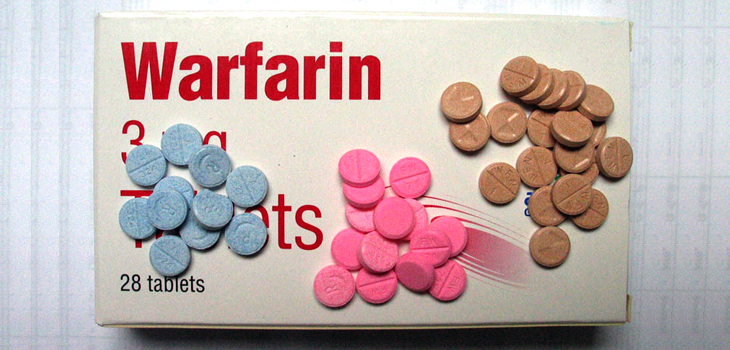
Warfarin. Aspirin. Something else? Where do you stand regarding prophylaxis to lower risks of deep venous thrombosis (DVT) or pulmonary embolism (PE) with your total hip or knee patients?
Chemoprophylaxis vs Venous Thrombosis. Why Change?
2 min read Premium comments
#venousthromboembolism#totaljointarthroplastySecondary#anticoagulation
A group of researchers have critically reviewed what we know and what we don’t in a very notable study titled, “Venous Thromboembolism Chemoprophylaxis in Total Hip and Knee Arthroplasty: A Critical Analysis Review.” You can read the full study and article in the January 2, 2019 edition of JBJS Reviews.
Co-author Glenn Wera, M.D., an orthopedic surgeon at the Case Western Reserve University School of Medicine in Cleveland, Ohio, explained some of the background for this review to OTW, “I am an adult reconstructive surgeon specializing in hip and knee replacements. When I started my career, warfarin was the gold standard for DVT prophylaxis after hip or knee replacement. Over the last few years a variety of new medications have become acceptable methods for prevention of DVT after hip or knee replacement surgery.”
“Aspirin is gaining acceptance as a mode of DVT prophylaxis in low risk patients. There has been some concern that high potency anticoagulants may predispose patients to bleeding and secondary infections. Many clinicians feel that aspirin is lower risk for bleeding complications after arthroplasty. While warfarin will never be totally replaced there are a lot of options notably aspirin. Additional study on the appropriateness of these agents is still needed.”
“Twenty years ago warfarin was the gold standard for anticoagulation after arthroplasty. At this time there is no clear leader but a great interest in multiple agents for prevention of thromboembolic disease after hip or knee replacement. Aspirin is a low cost option that does not require frequent monitoring. Appropriately powered trials are still needed as we move forward.”
“There is great interest in prescribing postoperative anticoagulation based on patient risk. In other words those who are low risk for a DVT or PE after surgery are appropriate for aspirin. On the other hand, high risk patients such as those who have a hypercoagulable state or history of PE are appropriate for a more potent anticoagulant. Risk calculators have been proposed to assist surgeons with selecting the appropriate DVT chemoprophylaxis.”
The authors wrote, “The surgeon must consider the efficacy, complication profile, and cost in the setting of patient competence and compliance on a case-by-case basis when choosing a prophylactic agent.”
Author
React:
Discussion
This is a fascinating development. In my practice we've seen similar outcomes with the revised protocol. The key differentiator seems to be patient selection criteria. Has anyone else noticed the correlation with BMI thresholds?
Great point. I'd push back slightly on the conclusion, the sample size in the cited study is too small to draw population-level inferences. That said, the directional signal is compelling and worth a larger RCT.
We implemented a similar approach last year. Early results are promising but we're still gathering 12-month follow-up data. Happy to share our protocol if anyone is interested.
Join the conversation
Orthopedic professionals are discussing this. Sign in and upgrade to read every comment and add your voice.