
Frederick S. Kaplan, M.D. is the winner of the Grand Hamdan International Award given by the Sheikh Hamdan bin Rashid al Maktoum Award for Medical Sciences.
Frederick S. Kaplan, M.D. Wins Grand Hamdan International Award
2 min read Premium comments
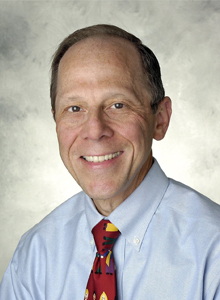
#frederickkaplan
Dr. Kaplan is the Isaac & Rose Nassau Professor of Orthopaedic Molecular Medicine and Chief of the Division of Molecular Orthopaedic Medicine at the Perelman School of Medicine of The University of Pennsylvania. The award, to be delivered in Dubai on December 12, 2018, will be presented by H.H. Sheikh Hamdan bin Rashid al Maktoum, Deputy Ruler of Dubai, United Arab Emirates Minister of Finance and the Patron of the Award. Dr. Kaplan is receiving this honor for his work in musculoskeletal disorders.
The Sheikh Hamdan bin Rashid al Maktoum Award for Medical Sciences noted, “Professor Kaplan and colleagues’ investigations of the rare diseases FOP (fibrodysplasia ossificans progressive) and POH (progressive osseous heteroplasia) have uncovered mechanisms so pathogenically fundamental to tissue metamorphosis that they have challenged existing dogma far outside the usual realm of musculoskeletal medicine. For example, they challenged the existing dogma that calcific aortic stenosis was caused by a ‘senile degenerative’ process and discovered that aortic stenosis is caused by an inflammatory process that triggers re-activation of the developmental process of skeletal formation…”
“In 1989, Kaplan, an orthopaedic surgeon, met a child with fibrodysplasia ossificans progressiva (FOP), a rare and disabling disorder in which the body forms a second skeleton of heterotopic bone. Motivated to know and do more, Kaplan began a pioneering second career in FOP research, work that led to the discovery of the FOP gene,”…the seminal target for all therapeutic efforts for this condition.
“Along with his colleague Dr. Eileen Shore, Kaplan co-directs the only center in the world devoted entirely to this work, has organized the medical and scientific communities worldwide on this rare condition, and is recognized as the world’s leading expert on FOP. In 1997, Kaplan was awarded the first endowed chair in the nation for orthopaedic molecular medicine.”
In 2009, he was elected to The National Academy of Medicine.
“The late Victor McKusick, the father of clinical genetics, described Kaplan as ‘one of the really outstanding orthopaedic researchers of his generation. His work with FOP has been extraordinary and extends all the way from the patients to the bench and back again. The devotion of the families and the patients to him is testimony to the kind of human being he is.’”
“Cited in 2006, as one of the15 people who make America great, Newsweek noted the disease was so rare, nobody wanted to deal with it until he came along.”
Dr. Kaplan commented, “I am enormously honored and humbled to have been selected to receive The Grand Hamdan International Award for Medical Sciences in the field of Musculoskeletal Disorders. I fervently hope that the research that my colleagues and I have done over the past 30 years will pave the way to relieve the tremendous suffering of those with the rare and catastrophic disorders fibrodysplasia ossificans progressiva (FOP), progressive osseous heteroplasia (POH) as well as more common and related disorders of extraskeletal bone formation.”
Author
React:
Discussion
This is a fascinating development. In my practice we've seen similar outcomes with the revised protocol. The key differentiator seems to be patient selection criteria. Has anyone else noticed the correlation with BMI thresholds?
Great point. I'd push back slightly on the conclusion, the sample size in the cited study is too small to draw population-level inferences. That said, the directional signal is compelling and worth a larger RCT.
We implemented a similar approach last year. Early results are promising but we're still gathering 12-month follow-up data. Happy to share our protocol if anyone is interested.
Join the conversation
Orthopedic professionals are discussing this. Sign in and upgrade to read every comment and add your voice.