
Foster Corporation, a Connecticut-based provider of polymer solutions in the medical and pharmaceutical marketplace, “…has announced that it has been appointed as a North American distributor of Solvay’s KetaSpire PEEK (Polyether ether ketone) and AvaSpire PAEK (polyaryletherketone) polyketone based polymers for the North American market.”
Foster Corp. New Distributor of Solvay’s Polymers
1 min read Premium comments
Secondary#fostercorporation#polymer#solvaypolymrs
The PEEK and PAEK polymers are medical grade polyketone polymers with “…high flexural modulus and high strength polymers….” They are extremely : heat-resistant and offer excellent hydrolytic stability. They maintain their mechanical properties in reusable applications even when they are exposed to multiple steam sterilization cycles…”
Common uses for these polymers “…include surgical tools, tubing, connectors, and healthcare metal replacement applications.”
Foster is already a North American distributor of Solvay’s Radel polyphenylsulfone (PPSU), Udel polysulfone (PSU), and Ixef polyarylamide (PARA).
Larry Johnson, Executive Vice President at Foster Corporation, told OTW, “Foster is dedicated to serving customers in highly regulated healthcare markets. We are excited to partner with Solvay to promote the benefits of their unique materials in medical devices and equipment.”
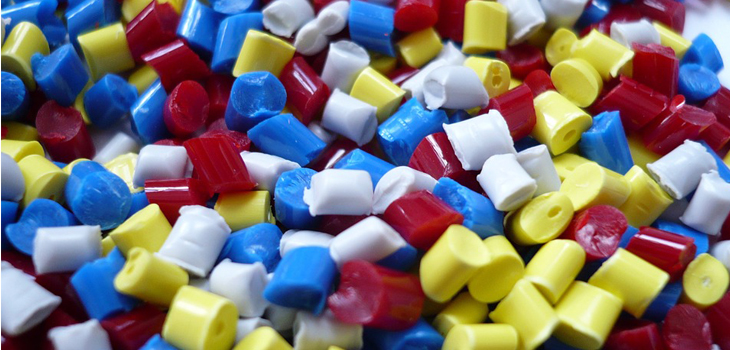
Johnson explained, “Solvay’s standard grades of PEEK and PAEK polyketone based polymers, along with their sulfone based polymers, are in high demand for reusable medical devices. Additionally, device companies are increasingly evaluating material formulations that provide differentiated colors and performance characteristics. Our expertise in polymer distribution of standard grades and custom compounding specialty formulations is unique and provides the most comprehensive polymer solutions in the industry.”
Foster Corporation has been in operation for almost 30 years and owns and operates three manufacturing facilities in the United States including a corporate headquarters, a dedicated pharmaceutical processing facility, and a production facility.
Solvay is an international chemical and materials company that focuses on the innovation and development of products and solutions that consume less energy and reduce CO2 emissions.
Author
React:
Discussion
This is a fascinating development. In my practice we've seen similar outcomes with the revised protocol. The key differentiator seems to be patient selection criteria. Has anyone else noticed the correlation with BMI thresholds?
Great point. I'd push back slightly on the conclusion, the sample size in the cited study is too small to draw population-level inferences. That said, the directional signal is compelling and worth a larger RCT.
We implemented a similar approach last year. Early results are promising but we're still gathering 12-month follow-up data. Happy to share our protocol if anyone is interested.
Join the conversation
Orthopedic professionals are discussing this. Sign in and upgrade to read every comment and add your voice.