
ZygoFix Ltd., a spine company based in Misgav, Israel, is off to a promising start with the successful debut of a human clinical study for the zLOCK spinal facet joint fixation system.
First-in-Human: ZygoFix’s Spinal Facet Joint Fixation System
2 min read Premium comments
Secondary#zygofix#facetfusion#jointfixation
The clinical study involved several procedures and a 6-month follow-up of the initial case. “The first case, a fusion procedure using the zLOCK system, was performed on a 67-year-old female suffering from severe back and leg pain. The patient reported a drop in her VAS (Visual Analog Scale of 0-10 for pain measurement) from 9 pre-operation, to 1 one day post-operation and to 0 at 6 months post-op.”
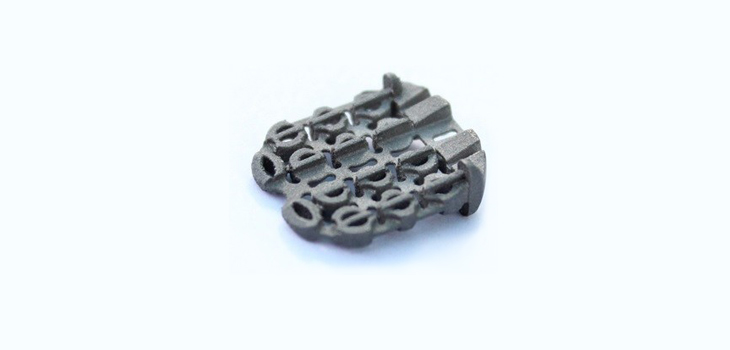
According to the company, “The zLOCK implant is designed as a miniature facet fusion cage to stabilize the segment. Its unique combination of rigid and flexible elements withstands loads and accommodates the anatomy of any facet joint. zLOCK utilizes the natural anatomy of the spine to form a ‘bridge’ between the two adjacent vertebrae, without screws and rods. A percutaneous approach allows placement of zLOCK with only one small incision per side, making it significantly less invasive than the standard pedicle screw procedure.”
Prof. Attila Schwarcz, Vice-Chairman and Leader of Spine Surgery, Department of Neurosurgery, University of Pecs, Hungary, and principal investigator in ZygoFix’s study, described his experience: “The zLOCK implantation is a significantly less invasive procedure compared to other posterior spinal stabilization systems. It appears superior to pedicle screw procedures, since zLOCK has an almost zero risk of causing nerve root injury that can happen in pedicle screw misplacement. Additionally, the zLOCK implant may have the ability to provide better long-term stabilization due to solid bony fusion of the facet joints.”
ZygoFix CEO Ofer Levy gave details to OTW, saying, “zLOCK is placed in the joint and not through the bone as with pedicle screws. Once the facet entry is located, the implant follows the joint’s path, so it cannot be misplaced. The implant’s design includes mechanical stoppers in the back that assure it is not over-inserted. Additionally, the driving tool cannot push the implant further than its full insertion. These features assure the implant does not reach nerve roots.”
Asked about future plans, he noted, “In the coming year we will widen our clinical study by opening additional centers and approach the FDA to discuss the details of our registration process.”
Author
React:
Discussion
This is a fascinating development. In my practice we've seen similar outcomes with the revised protocol. The key differentiator seems to be patient selection criteria. Has anyone else noticed the correlation with BMI thresholds?
Great point. I'd push back slightly on the conclusion, the sample size in the cited study is too small to draw population-level inferences. That said, the directional signal is compelling and worth a larger RCT.
We implemented a similar approach last year. Early results are promising but we're still gathering 12-month follow-up data. Happy to share our protocol if anyone is interested.
Join the conversation
Orthopedic professionals are discussing this. Sign in and upgrade to read every comment and add your voice.