
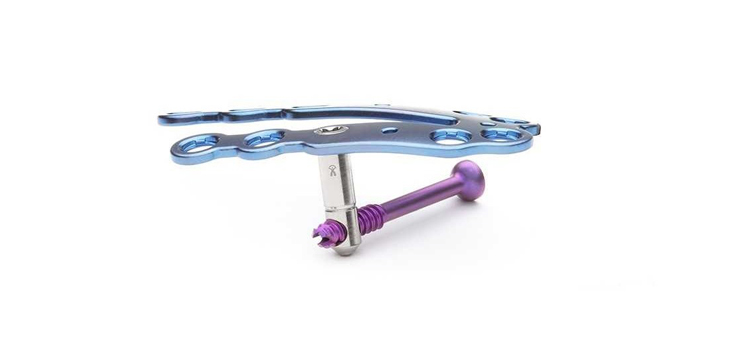
Extremity Medical, LLC, a global extremity implant company, recently announced the release of its newest implant system, the Omni Plating System, which eliminates the risk of plantar gapping seen in other dorsal plates.
No Plantar Gapping With Omni Plating System
1 min read Premium comments
Secondary#extremitymedical#omniplatingsystem#plantarfixpost
The Omni Plating System is designed to be used during “…a broad range of fusion procedures for the foot”. The system is integrated with the PlantarFiX Post, a new technology that produces a broader surface area of compression across the joint to be fused. Besides eliminating the risk of plantar gapping, this compression advantage in combination with the stability of the plate makes the fusion more effective, regardless of indication or patient bone quality.
“Now more than ever, Extremity Medical continues to expand our portfolio with innovative products that service the leading procedures for the foot and ankle surgeon,” Matt Lyons, president of Extremity Medical said.
“Our philosophy is to create fusion technology based on the biomechanical principles of delivering consistent compression across the joint. That philosophy is behind the new PlantarFiX Post technology, which has been developed to integrate throughout the Omni plates.”
He added, “We are committed to delivering exciting new technology to meet the needs of the foot and ankle surgeon and to provide highly differentiated products. This portfolio expansion continues to demonstrate the Company’s strategic efforts to deliver the most differentiated portfolio in the extremity market.”
“Extremity Medical, LLC, is an orthopedic device company specializing in the development of next generation systems addressing unmet needs for the extremity surgeon.” The company is based in Parsippany, New Jersey.
Author
React:
Discussion
This is a fascinating development. In my practice we've seen similar outcomes with the revised protocol. The key differentiator seems to be patient selection criteria. Has anyone else noticed the correlation with BMI thresholds?
Great point. I'd push back slightly on the conclusion, the sample size in the cited study is too small to draw population-level inferences. That said, the directional signal is compelling and worth a larger RCT.
We implemented a similar approach last year. Early results are promising but we're still gathering 12-month follow-up data. Happy to share our protocol if anyone is interested.
Join the conversation
Orthopedic professionals are discussing this. Sign in and upgrade to read every comment and add your voice.