
Vertos Medical Inc. has enrolled the first patient into its nationwide, multicenter study of its minimally invasive lumbar decompression (aka: mild®) procedure and will be using the popular device, Fitbit, to collect data.
Vertos: MOTION Study of MIS Decompression Using Fitbits
2 min read Premium comments
Secondary#vertosmedical#disabilityindex#oswestry
According to the company, “The novel, prospective, randomized controlled study will use clinically validated, patient-reported outcome measures to identify improvements in pain and function, and will capture objective measures of participants’ activity levels using Fitbit activity trackers.”
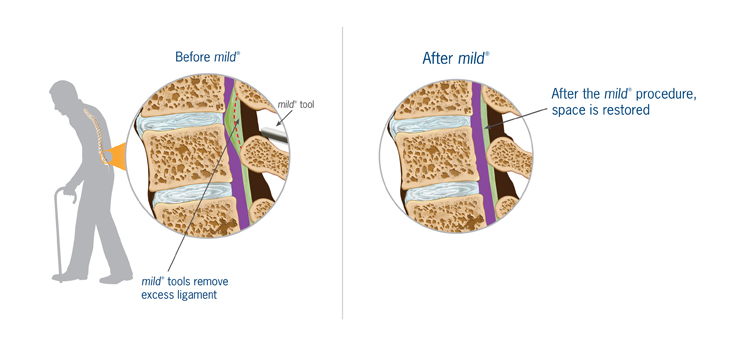
The procedure being studied is an outpatient lumbar decompression procedure which treats the patient’s stenosis “… through a portal the size of a baby aspirin. The Vertos procedure “… requires no implants, no general anesthesia, no stitches, and no overnight hospital stay.”
The company’s study of this approach will follow patients who been treated with this mild® procedure for two years and, the company expects, “… will enroll patients 50-80 years of age and will provide important data to help physicians and patients make early treatment decisions for other LSS [lumbar spinal stenosis] sufferers.”
The study, which is branded the “MOTION Study” recently enrolled its first patient at the Michigan Interventional Pain Center in Brownstown, Michigan. The physician who will perform the inaugural mild® procedure was Razmig Haladjian, M.D., an interventional pain specialist.
“A major step forward in interventional pain occurred with the first patient enrolled in the MOTION Study, a level 1, prospective, randomized, multicenter study that evaluates subjective and objective functional measures,” said Dr. Tim Deer, an interventional pain specialist, president and CEO of The Spine and Nerve Center of the Virginias and national principal investigator for the MOTION Study.
“This important, activity-based study will generate evidence that further supports minimally invasive LSS treatments to improve patients’ quality of life and reduce the use of opioids,” added Dr. Deer.
Eric Wichems, president and CEO of Vertos Medical, told OTW, “The primary endpoint for the study is Oswestry Disability Index (ODI) at 6 months, which measures permanent functional disability using questions regarding activities of daily living (ADL), specifically disturbance in ADL related to chronic back pain.”
“Other measures include 6-month follow up on pain intensity, severity of symptoms, physical function characteristics, and patient’s satisfaction after treatment along with steps/walking distance measured by a Fitbit activity tracker and walking time. Consistent measures will be taken at timepoints leading up to study completion at two years.”
“The mild® procedure removes the root cause of neurogenic claudication, by debulking the ligamentum flavum, the major contributor to spinal canal narrowing. It is the clinically demonstrated safest decompression procedure with clinically proven effectiveness in patients with comorbidities. The mild® procedure has been performed on more than 20,000 patients and its safety and efficacy have been analyzed in more than 13 clinical studies and 20 publications.”
Author
React:
Discussion
This is a fascinating development. In my practice we've seen similar outcomes with the revised protocol. The key differentiator seems to be patient selection criteria. Has anyone else noticed the correlation with BMI thresholds?
Great point. I'd push back slightly on the conclusion, the sample size in the cited study is too small to draw population-level inferences. That said, the directional signal is compelling and worth a larger RCT.
We implemented a similar approach last year. Early results are promising but we're still gathering 12-month follow-up data. Happy to share our protocol if anyone is interested.
Join the conversation
Orthopedic professionals are discussing this. Sign in and upgrade to read every comment and add your voice.