
San Diego, California-based Reflexion Health, Inc., in conjunction with the Duke Clinical Research Institute in Durham, North Carolina, has announced positive results from a (as yet unpublished) randomized controlled clinical trial, “Virtual Exercise Rehabilitation In-home Therapy: A Research Study (VERITAS).”
Study: Virtual PT Outperforms Traditional Approach
2 min read Premium comments
#totalkneereplacementSecondary#reflexionhealth#virtualexerciserehabilitation
The trial was designed to evaluate the cost and clinical non-inferiority of using a virtual rehabilitation platform to deliver physical therapy following total knee replacement surgery.
“Physical therapy is a critical component of recovery for patients following total joint replacement surgery. As people live longer and these surgeries become more common, it is important to identify solutions that maintain or improve outcomes while decreasing the burden on patients and providers,” said Janet Prvu Bettger, Ph.D., associate professor with the Duke Department of Orthopedic Surgery and principal investigator of the study.
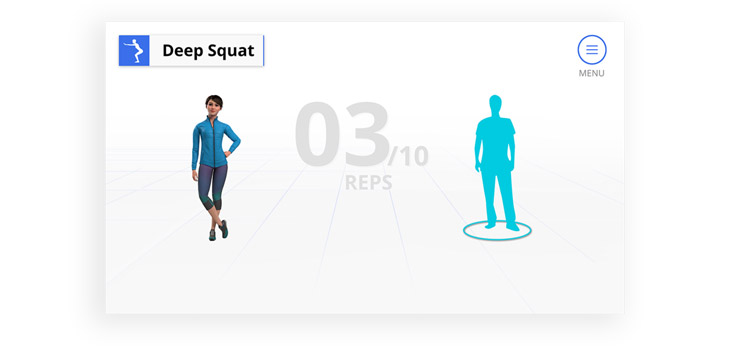
According to Reflexion Health, “VERITAS was a multi-center, randomized controlled trial that enrolled 306 adult participants scheduled for knee replacement surgery at four U.S. sites. Of the consented participants, 287 completed the trial. The treatment group concluded with 143 adults who received Reflexion Health’s VERA [Virtual Exercise Rehabilitation Assistant] both pre- and post-surgery, compared with a control group of 144 adults who received traditional in-home or clinic-based physical therapy at participating sites. Clinical outcomes, health service use, and costs were examined for three months after surgery.”
“The study results demonstrated an average cost savings of $2,745 per patient for those who received virtual physical therapy using VERA technology with clinical oversight when compared to usual care with traditional physical therapy. Virtual physical therapy met its secondary effectiveness endpoints of non-inferiority for reducing disability and improving knee function. Compared with usual care, safety endpoints for patients with virtual physical therapy were similar.”
“VERITAS provides the highest level of evidence that VERA is a more cost-effective, patient-centered alternative to traditional care,” said Joseph Smith, M.D., Ph.D., chief executive officer of ReflexionHealth.“The strength of these results should give providers and payors the proof they need to adopt VERA. Engaging and delighting patients with a convenient and connected solution in the comfort of their own home, while providing similar or better clinical outcomes and dramatically reducing overall healthcare costs is a win for everyone.”
Dr. Smith told OTW, “The first development milestone was proof of concept—proving that all patients could use it (usability) and that the feedback to each patient about their exercises was appropriate. The second milestone was that use of VERA improved compliance/adherence while delighting patients. The final milestones (as proven in the VERITAS trial) were that overall outcomes were at least as good as standard of care while the costs to everyone were much lower.”
“For busy clinicians, VERA provides unprecedented and efficient visibility into the patient’s post-operative recovery while greatly diminishing the overall cost of post-surgical rehabilitation.”
“For patients, VERA provides convenience, dramatically enhanced compliance, the comfort of an on-demand, at-home solution, and cost-savings from avoided travel and co-pays—and they love it!”
Author
React:
Discussion
This is a fascinating development. In my practice we've seen similar outcomes with the revised protocol. The key differentiator seems to be patient selection criteria. Has anyone else noticed the correlation with BMI thresholds?
Great point. I'd push back slightly on the conclusion, the sample size in the cited study is too small to draw population-level inferences. That said, the directional signal is compelling and worth a larger RCT.
We implemented a similar approach last year. Early results are promising but we're still gathering 12-month follow-up data. Happy to share our protocol if anyone is interested.
Join the conversation
Orthopedic professionals are discussing this. Sign in and upgrade to read every comment and add your voice.