
In a comprehensive evaluation of previous systematic reviews, meta-analyses, and trial-sequential analyses, researchers from New Zealand and Scotland have determined that vitamin D supplementation does not make much of a different when it comes to fractures, falls, and bone mineral density.
Massive, Comprehensive Study: Vitamin D Not Helpful
2 min read Premium comments
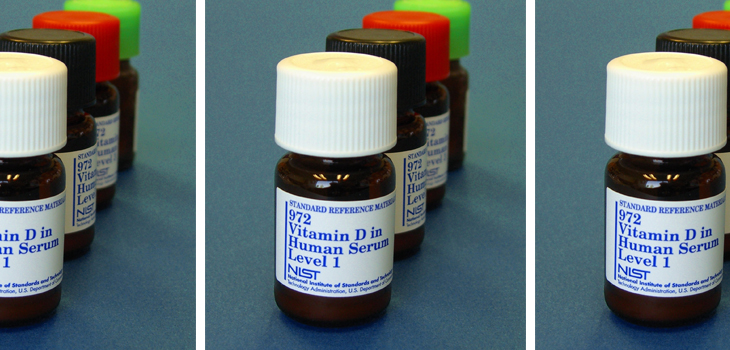
Secondary#osteoporisis#vitamind
Their work, “Effects of vitamin D supplementation on musculoskeletal health: a systematic review, meta-analysis, and trial sequential analysis,” appears in the October 4, 2018 edition of The Lancet.
The authors wrote, “In this systematic review, random-effects meta-analysis, and trial sequential analysis, we used findings from literature searches in previously published meta-analyses. We updated these findings by searching PubMed, Embase, and Cochrane Central on Sept 14, 2017, and Feb 26, 2018, using the search term “vitamin D” and additional keywords, without any language restrictions.”
“We assessed randomised controlled trials of adults (>18 years) that compared vitamin D with untreated controls, placebo, or lower-dose vitamin D supplements. Trials with multiple interventions (e.g., co-administered calcium and vitamin D) were eligible if the study groups differed only by use of vitamin D…Eligible studies included outcome data for total or hip fractures, falls, or bone mineral density measured at the lumbar spine, total hip, femoral neck, total body, or forearm…”
Co-author Mark Bolland, Ph.D., with the Bone and Joint Research Group at the University of Auckland in New Zealand, told OTW, “Vitamin D supplements have long been recommended for older people to treat or prevent osteoporosis.”
“However, the most recent systematic reviews in 2012-2014 suggested no benefit of vitamin D supplementation on including increasing bone mineral density or preventing falls and fractures. Some experts suggested this might be because vitamin D doses studied in the trials in these reviews were too low.”
“Since these systematic reviews were published, 45 trials of vitamin D have reported on bone density, falls and fractures, and most of these newer trials used substantially higher doses of vitamin D than earlier trials. So, a comprehensive update of previous systematic reviews, meta-analyses, and trial-sequential analyses was warranted.”
“The results from the meta-analyses and trial sequential analyses in our review show that in a very large body of 81 clinical trials vitamin D supplementation does not have clinically relevant effects on fractures, falls, and bone mineral density, and this conclusion is unlikely to be altered by future trials with similar designs. In addition, the effects of higher doses of vitamin D were similar to the effects of lower doses.”
“There is little justification for the use of vitamin D supplements to maintain or improve musculoskeletal health (except for the prevention or treatment of rickets and osteomalacia in high-risk groups), and clinical guidelines should reflect these conclusions.”
Author
React:
Discussion
This is a fascinating development. In my practice we've seen similar outcomes with the revised protocol. The key differentiator seems to be patient selection criteria. Has anyone else noticed the correlation with BMI thresholds?
Great point. I'd push back slightly on the conclusion, the sample size in the cited study is too small to draw population-level inferences. That said, the directional signal is compelling and worth a larger RCT.
We implemented a similar approach last year. Early results are promising but we're still gathering 12-month follow-up data. Happy to share our protocol if anyone is interested.
Join the conversation
Orthopedic professionals are discussing this. Sign in and upgrade to read every comment and add your voice.