
So close, they were … Histogenics Corporation, that is. When it comes to biologics, you want high standards—and that is where the Waltham, Massachusetts company started.
Strong Data From Disappointing NeoCart Trial
2 min read Premium comments
Secondary#cartilagerepair#celltherapy#histogenics
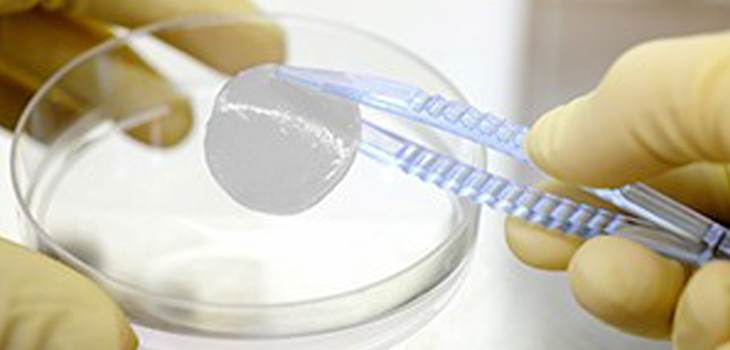
Recently, they announced that their Phase 3 clinical trial of NeoCart—a restorative cell therapy—did not meet the primary endpoint of a statistically significant improvement in pain and function in a study one year after treatment as compared to microfracture.
But the silver lining is in the details, says the company.
President and CEO Adam Gridley told OTW, “This is the largest and first prospectively designed, randomized clinical trial in North America evaluating the safety and efficacy of a restorative cell therapy to treat knee cartilage damage.”
“Ten years ago, we set an extremely high bar for success with a dual threshold responder analysis (and this was before FDA guidance). On top of that, we chose what was at the time the highest meaningful clinical difference threshold. Our scientists designed an elegant endpoint, but at the time they didn’t appreciate the robust nature of what it took to hit those endpoints.”
“Not only is cartilage the Holy Grail of orthopedics, but this is one of the most challenging regulatory environments in which to conduct clinical trials. The fact is that we missed hitting the trial’s primary endpoint by only two microfracture responders out of the 249 patients that participated in the trial.”
“We had incredible data, and we are already demonstrating clinically meaningful results. Rapid recovery is important in orthopedics, and at six months, we saw statistically superior results, which is unheard of with currently available treatment options. At one year, we missed the mark by two patients.”
“The data showed that in patients with a body mass index (BMI) higher than 28 and with larger lesions NeoCart did extremely well. If we had enrolled a lot of patients with a BMI of 35 for and with previous failures, then people would say we had stacked the deck. We went to the other extreme, which is what the FDA asked. While microfracture did better than we had anticipated, in no case did it do better than NeoCart.”
“As for our investors, they are saying, ‘Just file it because this data is so good compared to what has been approved or what is in development.’ And we hope the FDA appreciates the data because clinicians ‘get it.’ As for surgeons, they are frustrated because they have so few options, they are saying, ‘We hope this data puts microfracture in the grave where it belongs.’”
“Our next step is to engage with the FDA immediately and then file a Biologics License Application (BLA) at the end of this year or early next year. The FDA has been great to work with, so we want to sit down with them as soon as possible.”
“In the end, it is all about the patients … they are the ones who keep us going. It is genuinely heartening to hear stories about NeoCart giving people their lives back.”
Author
React:
Discussion
This is a fascinating development. In my practice we've seen similar outcomes with the revised protocol. The key differentiator seems to be patient selection criteria. Has anyone else noticed the correlation with BMI thresholds?
Great point. I'd push back slightly on the conclusion, the sample size in the cited study is too small to draw population-level inferences. That said, the directional signal is compelling and worth a larger RCT.
We implemented a similar approach last year. Early results are promising but we're still gathering 12-month follow-up data. Happy to share our protocol if anyone is interested.
Join the conversation
Orthopedic professionals are discussing this. Sign in and upgrade to read every comment and add your voice.