
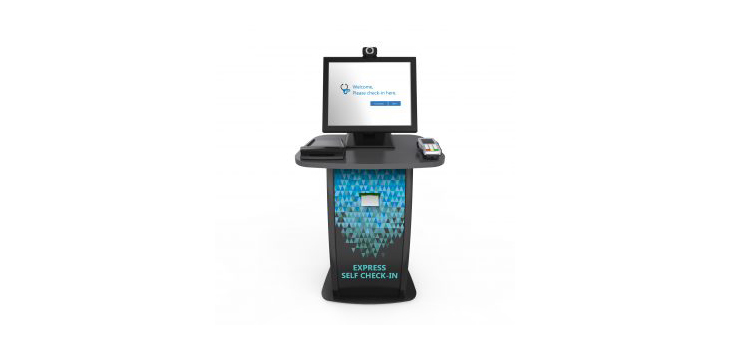
UK-based imageHOLDERS, LTD, makers of iPad kiosks and tablet enclosures, has collaborated with MEDENT, a medical software company, to develop a really clever, ambulatory practice patient self-check-in kiosk. MEDENT is based in Auburn, New York.
Self-Service Kiosks at the Clinic?
1 min read Premium comments
Secondary#imageholders#medent#patientkiosk
Using these kiosks patients can make appointments, check in at reception and even manage their insurance and make payments.
Here’s how it works. The kiosk integrates a driving license scanner which validates the ID, then scans the insurance card which somehow taps into the clinic’s records and makes sure that the upcoming treatment is paid for. There’s a built-in printer that kicks out a receipt.
imageHOLDERS will customize the kiosk. For example, the kiosk is fully compliant with the Americans With Disabilities Act (ADA).
It is shipped to clinics with all the devices integrated as a plug in and go solution.
Ryan Cuthbert, vice president, of MEDENT said, “The kiosks have been really well received by our end users and their customers. We have a vast portfolio of solutions and the new kiosk provides an all-in-one solution which functions in a variety of ways, saving time for the receptionist and providing patients a quick way to check-in and feel in control of their journey.”
Peter Thompson, director, imageHOLDERS said, “The floor standing kiosk has a bespoke design, combining research with design to ensure ADA compliance whilst remaining highly secure and stylish. MEDENT were a pleasure to work with, they are well established within their industry and understand the importance of the customer journey. We are looking forward to continuing the relationship.”
We check ourselves out at the grocery store. We pump our own gas. And now, we can check ourselves into the hospital or clinic.
Call it empowerment.
Author
React:
Discussion
This is a fascinating development. In my practice we've seen similar outcomes with the revised protocol. The key differentiator seems to be patient selection criteria. Has anyone else noticed the correlation with BMI thresholds?
Great point. I'd push back slightly on the conclusion, the sample size in the cited study is too small to draw population-level inferences. That said, the directional signal is compelling and worth a larger RCT.
We implemented a similar approach last year. Early results are promising but we're still gathering 12-month follow-up data. Happy to share our protocol if anyone is interested.
Join the conversation
Orthopedic professionals are discussing this. Sign in and upgrade to read every comment and add your voice.