
Researchers from Japan came up with a new model of bone cancer—which starts by injecting cells into the caudal artery of a mouse tail.
New Bone Cancer Model Opens Pathway for Treatment
1 min read Premium comments
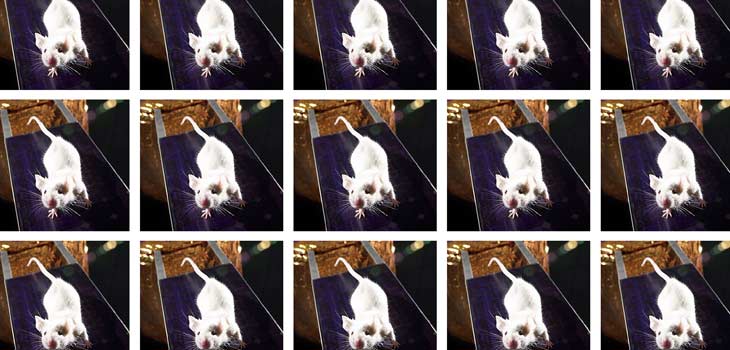
Secondary#bonemetastasis
Their work, “A reliable murine model of bone metastasis by injecting cancer cells through caudal arteries,” appears in the July 30, 2018 edition of Nature Communications.
Shinae Kondoh, Ph.D., professor in the department of Biomechanical Engineering at the Tokyo Institute of Technology and co-author, told OTW, “This paper reports on a method by which basic medical researchers studying bone metastasis can easily create bone metastasis mouse models.”
“It is urgent to elucidate the mechanism of bone metastasis because there is a need to improve established treatment for treating patients suffering from bone metastasis and resulting bone injury day by day.”
“Our model can greatly accelerate clarification of the mechanism of bone metastasis. Therefore, it can contribute to providing new treatment for patients suffering from bone metastasis.”
“The mechanism of metastasis can only be studied in living bodies. Conventional bone metastasis models have many difficulties that prevent researchers from studying this field. The new model overcomes the difficulties of conventional models by making the process of creating bone metastasis models more easy and reliable.”
“You can make bone metastases with a 100% success rate with much less stress in the mouse. Since the transplantation method is simple, it is possible to create many mouse models at once (that is, more reliable research data can be obtained in one experiment). A bone metastasis model can be created even for cells with low bone metastatic potential (that is, analysis of bone metastasis becomes possible even for cancers that could not be studied so far.)”
“Since we can observe the process of bone damage earlier, we have a better tool with which to use to detect bone metastases earlier.”
Author
React:
Discussion
This is a fascinating development. In my practice we've seen similar outcomes with the revised protocol. The key differentiator seems to be patient selection criteria. Has anyone else noticed the correlation with BMI thresholds?
Great point. I'd push back slightly on the conclusion, the sample size in the cited study is too small to draw population-level inferences. That said, the directional signal is compelling and worth a larger RCT.
We implemented a similar approach last year. Early results are promising but we're still gathering 12-month follow-up data. Happy to share our protocol if anyone is interested.
Join the conversation
Orthopedic professionals are discussing this. Sign in and upgrade to read every comment and add your voice.