
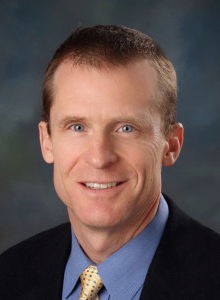
Kevin Shea, M.D. has been selected as the next recipient of the Dr. Steven Gitelis Inspiration Award from AlloSource, one of the largest nonprofit cellular and tissue networks in the country.
Kevin Shea, M.D. Awarded Dr. Steven Gitelis Inspiration Award
1 min read Premium comments
#allosource#allografttissue#kevinshea
According to AlloSource, “Dr. Shea recently joined the Stanford University School of Medicine as a professor of orthopedic surgery and also serves as director of the Stanford Children’s Health Sports Medicine Program. He specializes in the treatment of knee ligament and cartilage injuries, osteochondritis dissecans (OCD), fractures, and pediatric trauma and is one of the founders of The ROCK Group, an organization dedicated to researching OCD and improving its treatment methods.”
“Dr. Shea truly embodies the spirit of honoring the gift of tissue donation to help heal his patients,” said Thomas Cycyota, AlloSource president and CEO. “His commitment to research and improving treatment methods using donated tissue is an inspiration to all of us at AlloSource. We admire his dedication to the profession of orthopedic surgery and to his patients.”
“The award honors a physician who understands and embraces the use of donated human tissue in surgical applications. The award is named after Dr. Steven Gitelis, a highly regarded orthopedic surgeon and one of the founders of AlloSource.”
Dr. Shea told OTW, “Access to tissue is critical for improving outcomes for patients and families, and I am honored by the families who have made these donations to help others. By working with tissue networks, such as Allosource, we are able to better understand anatomy, improve surgical procedures to treat pediatric and adult injuries, and enhance outcomes for ligament, cartilage, and structural conditions. Furthermore, access to tissue allows us to better understand the etiology and treatment of cartilage conditions of the knee.”
“The families that make tissue donations have an enormous impact on society. The processes for coordinating these donations are incredibly complex and require significant resources and stewardship. The commitments of tissue networks and clinicians allow us to obtain the highest quality outcomes for patients that need allograft tissue.”
Author
React:
Discussion
This is a fascinating development. In my practice we've seen similar outcomes with the revised protocol. The key differentiator seems to be patient selection criteria. Has anyone else noticed the correlation with BMI thresholds?
Great point. I'd push back slightly on the conclusion, the sample size in the cited study is too small to draw population-level inferences. That said, the directional signal is compelling and worth a larger RCT.
We implemented a similar approach last year. Early results are promising but we're still gathering 12-month follow-up data. Happy to share our protocol if anyone is interested.
Join the conversation
Orthopedic professionals are discussing this. Sign in and upgrade to read every comment and add your voice.