
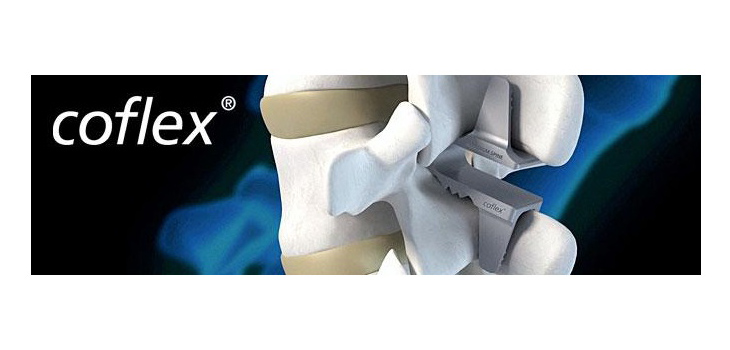
Paradigm Spine, headquartered in New York City, has announced that the North American Spine Society (NASS) has issued a coverage policy recommendation for Lumbar Interlaminar Device without Fusion and with Decompression. The company points out the particular significance for its product, coflex, a lumbar motion preservation solution.
Paradigm Spine: coflex Coverage Policy News
1 min read Premium comments
#coflex#paradigmspineSecondary
Marc Viscogliosi, chairman and CEO of Paradigm Spine, told OTW, “NASS is the preeminent U.S. spine society and health insurance companies and providers look to it for guidance, this decision will open the door to enabling further access to more private payors in the U.S. market.”
“The most interesting part of the process was having the opportunity to work closely with the NASS organization at a policy level to demonstrate the advantages and outcomes of coflex, that ultimately will now allow more patients with lumbar spinal stenosis to access a technology that is proven so effective.”
“With coverage recommendations from the top national spine society in the U.S., this should provide spine surgeons with additional confidence in coflex and the growing clinical evidence showing its potential to offer long-term benefits for lumbar spinal stenosis patients.”
Author
React:
Discussion
This is a fascinating development. In my practice we've seen similar outcomes with the revised protocol. The key differentiator seems to be patient selection criteria. Has anyone else noticed the correlation with BMI thresholds?
Great point. I'd push back slightly on the conclusion, the sample size in the cited study is too small to draw population-level inferences. That said, the directional signal is compelling and worth a larger RCT.
We implemented a similar approach last year. Early results are promising but we're still gathering 12-month follow-up data. Happy to share our protocol if anyone is interested.
Join the conversation
Orthopedic professionals are discussing this. Sign in and upgrade to read every comment and add your voice.