
Michael Parks, M.D., clinical director of Orthopedic Surgery and Vice Chair for Quality at Hospital for Special Surgery (HSS) in New York, is the new president of the Orthopaedic Research and Education Foundation (OREF).
Michael Parks, M.D. New President of O.R.E.F.
1 min read Premium comments
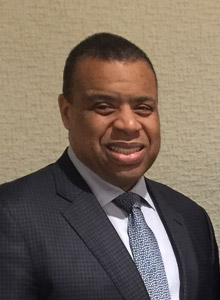
#michaelparks#oref
Dr. Parks, a hip and knee surgeon, told OTW, “The OREF Board of Trustees and staff have prioritized rekindling relationships and exploring collaborative opportunities with many of our orthopaedic partners, and reinforcing transparent and regular communication and dialogue exchange. In June, the Board of Trustees will review OREF strategic priorities, including collective focus toward a ‘road map of research,’ reinforcing the cornerstone of OREF programs while reassessing and expanding an integrated development and operational plan that aligns with current priorities.”
“We will work toward a process of open communication with other specialty societies to prioritize which research areas and programs are collectively identified as the greatest areas of need, identify collaborative and new approaches to meet these needs, and develop funding opportunities as a complement to the existing OREF grants and research-related education workshops and symposia, including goals and minimum funding levels for quality research.”
Dr. Parks succeeds former president, David G. Lewallen, M.D., orthopedic surgeon at Mayo Clinic. Dr. Parks joined HSS as a fellow in 1996 before becoming an attending in 2008. He focuses on the surgical treatment of adults with arthritis. His research interests include biomechanical implant retrievals and the impact of race, ethnicity and gender on the care of arthritis patients.
Dr. Parks told OTW, “After the roadmap of research has been established, we will continue working with our partners as well as mobilize OREF’s ambassadors and volunteers to communicate our research goals and promote evidence-based data on the breadth, scope and impact of OREF-funded research. We will update the readers of Orthopedics This Week regarding these prioritized goals following the June meeting.
Author
React:
Discussion
This is a fascinating development. In my practice we've seen similar outcomes with the revised protocol. The key differentiator seems to be patient selection criteria. Has anyone else noticed the correlation with BMI thresholds?
Great point. I'd push back slightly on the conclusion, the sample size in the cited study is too small to draw population-level inferences. That said, the directional signal is compelling and worth a larger RCT.
We implemented a similar approach last year. Early results are promising but we're still gathering 12-month follow-up data. Happy to share our protocol if anyone is interested.
Join the conversation
Orthopedic professionals are discussing this. Sign in and upgrade to read every comment and add your voice.