
Halyard Health, Inc. recently announced that it is diversifying its non-opioid pain management portfolio through the acquisition of CoolSystems, Inc., marketed as Game Ready.
Halyard Health to Acquire CoolSystems, Inc.
1 min read Premium comments
Secondary#coolsystems#gameready#haylardhealth
Both companies have entered into a definitive agreement for a total consideration of $65 million in cash.
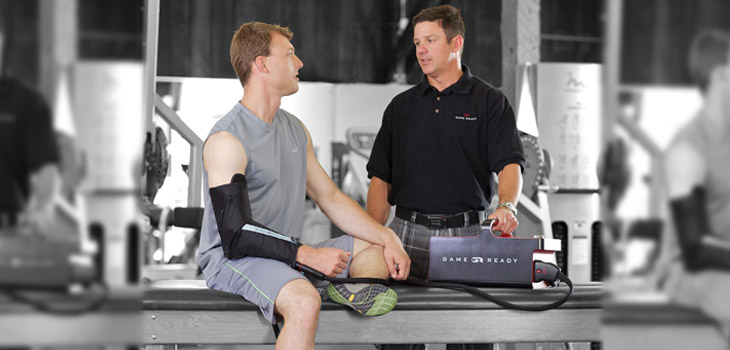
CoolSystems, Inc. is a provider of cold therapy and compression therapy systems. The Game Ready product line includes GRPro 2.1 cold and compression therapy system, Med4 Elite multi-modality therapy unit and ATX Wraps which are used in the pain management and rehabilitation of patients recovering from orthopedic surgery or sports-related injuries.
The GRPro includes a portable control unit and portfolio of anatomical wraps and sleeves, which deliver controlled cold and compression therapy to all major body parts. Game Ready’s Med4Elite performs rapid contrast therapy with compression.
“The acquisition of Game Ready represents another step forward in Halyard’s transformation as a pure-play medical device company and is consistent with our strategy to continually generate value for our patients, customers, and shareholders,” said Joe Woody, Halyard chief executive officer.
“The combination of Game Ready’s market leading cold therapy products with our ON-Q Pain Relief System portfolio will significantly enhance our postoperative non-opioid product offerings and broaden our orthopedic footprint. Combined, we will be better positioned to play a critical role in providing innovative non-opioid therapies that reduce or eliminate the use of opioids for surgical patients and get them back to the things that matter.”
Halyard Health is a medical technology company headquartered in Alpharetta, Georgia. It previously announced that it is changing its name to Avanos Medical, Inc., effective June 30, 2018. The acquisition is expected to take place in the third quarter.
Author
React:
Discussion
This is a fascinating development. In my practice we've seen similar outcomes with the revised protocol. The key differentiator seems to be patient selection criteria. Has anyone else noticed the correlation with BMI thresholds?
Great point. I'd push back slightly on the conclusion, the sample size in the cited study is too small to draw population-level inferences. That said, the directional signal is compelling and worth a larger RCT.
We implemented a similar approach last year. Early results are promising but we're still gathering 12-month follow-up data. Happy to share our protocol if anyone is interested.
Join the conversation
Orthopedic professionals are discussing this. Sign in and upgrade to read every comment and add your voice.