
By the year 2030 the U.S. will be dealing with a shortage of 120,000 physicians according to a report by the Association of American Medical Colleges. Moreover, people 65 years of age or more will have increased by 50%.
Revving Up Medical Tourism in India
3 min read Premium comments
#hipreplacement#kneereplacementSecondary#medicaltourism
If you think the wait time to see a physician is long now, just wait a dozen years.
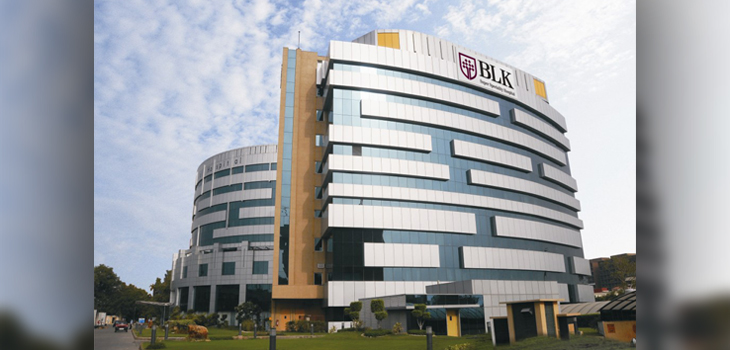
The American healthcare industry is so large it is one and a half times larger than India’s entire GDP (gross domestic product). A knee replacement that costs $30,000 in the U.S., can be done for $3,000 in India. This wide disparity, according to Indian writer Rajkamal Rao in The Hindu BusinessLine, is a great opportunity for his country.
He writes, “India’s health services sector can grab a portion of the American market by offering world class medical tourism services to American patients. Even a 5 per cent slice can result in a $175 billion export industry, much larger than our IT services sector today.”
“Americans,” writes Rao, would warmly respond to visiting India to get treated for non-life-threatening ailments—such as knee and hip replacement surgery. …Americans already have a high regard for Indian doctors who have earned a reputation in the U.S. for clinical skills and gracious bedside manners.”
Hospitals, however, may be another matter. They are often perceived by American tourists as being poor or inadequate.
But India has overcome negative perceptions before. In the mid-1990s, most Americans didn’t believe that India had world class internet capabilities or reliable electrical power or Silicon Valley standard workplaces for IT staff and global technology services.
Today, India is a destination center for world class IT services and infrastructure.
“Customer acquisition should start in the U.S.,” Rao writes. The industry should establish primary care clinics in America to refer patients to India, for free. The system should offer a one-stop service—travel, accommodation, cashless direct billing, 24-7 customer service and post-hospital care—all coordinated through a single call centre. Arriving patients should be met at the airport by a full-time adviser who stays with the patient until departure, much like a conducted tour manager.”
“Top quality health care requires abundant labor…and India offers a competitive advantage here. And India has the advantage of being able to recruit English-speaking workers for the entire experience.”
Much like India’s IT industry—which “offers technology parks with five-star hotels within them to cater to visiting foreign business people—the medical tourism sector should,” in Rao’s view, build world-class medical center parks “staffed and dedicated to foreign patients.”
To be sure, India does have a thriving medical tourism industry already.
It caters largely to private-pay patients from Asia and its suppliers are fragmented.
In Rao’s view, the nascent India Medical Tourism industry should consider establishing “primary care clinics in America to refer patients to India, for free.”
The system should then offer “one-stop service, soup to nuts—travel, accommodation, cashless direct billing, 24×7 customer service and post-hospital care—all coordinated through a single portal or call centre.”
“Arriving patients should be met at the airport by a full-time adviser who stays with the patient until departure, much like a conducted tour manager. Top quality health care requires abundant (perhaps even redundant) labor and India offers a competitive advantage here. And India has the advantage of being able to recruit English-speaking workers for the entire experience.”
“Post-surgical rehabilitation could include camps at yoga, meditation and balanced-diet clinics, already respected as Indian exports in many parts of the U.S.”
Outsourcing medical care may be the only way for America to control runaway health sector costs.
“India is already a powerhouse in the production and distribution of the world’s generic drugs such as for controlling hypertension, diabetes and heart disease. Expanding the medical tourism industry is a natural byproduct of India’s pharma industry success. But doing so should become a concerted public-private partnership where careful planning and world-class execution are vital,” wrote Rao.
Author
React:
Discussion
This is a fascinating development. In my practice we've seen similar outcomes with the revised protocol. The key differentiator seems to be patient selection criteria. Has anyone else noticed the correlation with BMI thresholds?
Great point. I'd push back slightly on the conclusion, the sample size in the cited study is too small to draw population-level inferences. That said, the directional signal is compelling and worth a larger RCT.
We implemented a similar approach last year. Early results are promising but we're still gathering 12-month follow-up data. Happy to share our protocol if anyone is interested.
Join the conversation
Orthopedic professionals are discussing this. Sign in and upgrade to read every comment and add your voice.