
Hip surgeons take heart…novel research has found a way to help patients suffering with pain related to partial thickness tear of the gluteus medius.
New Hope for Patients With Peritrochanteric Pain
1 min read Premium comments
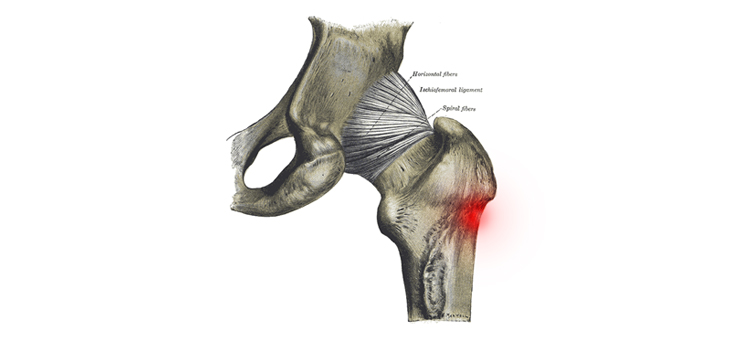
Secondary#hip#americanhipinstitute#partialthicknesstears
The new study, “Endoscopic Repair of Partial-Thickness Undersurface Tears of the Abductor Tendon: Clinical Outcomes With Minimum 2-Year Follow-up,” was published in the April 18, 2018 edition of Arthroscopy.
Benjamin Domb, M.D., orthopedic surgeon with the American Hip Institute and Hinsdale Orthopaedics in the Chicago, Illinois area and co-author on the study, told OTW, “Endoscopic repair of PUSTA [partial-thickness undersurface tears of the abductor tendon] regions is a relatively new procedure, which we first described in 2010.”
“The procedure has made possible the successful surgical treatment of a pathologic entity that, in the past, was most commonly left untreated. Since that time, we have continued to carefully follow the outcomes of endoscopic repairs of gluteus medius tears.”
“However, all papers published to date include both for thickness and partial thickness tears. To our knowledge, this is the first paper to specifically focus on partial thickness tear of the gluteus medius.”
The authors wrote, “All patients who underwent endoscopic transtendinous gluteus medius repair between October 2009 and May 2013 at one institution were prospectively evaluated. The exclusion criteria consisted of less than 2-years’ follow-up, previous hip surgery, inflammatory arthritis, open surgery, full-thickness abductor tear, and Workers’ Compensation patients…25 patients fit our criteria.”
According to Dr. Domb, “Over the course of the study, we found that the endoscopic technique we have described for repair of PUSTA gluteus medius lesions has yielded extremely encouraging clinical outcomes.”
“These results give us great optimism that patients who have suffered with intractable peritrochanteric pain may finally find a solution.”
“We will continue to follow the outcomes of this procedure with larger cohort studies and longer follow-up, and look forward to sharing this technique with the community of hip preservation surgeons.”
Author
React:
Discussion
This is a fascinating development. In my practice we've seen similar outcomes with the revised protocol. The key differentiator seems to be patient selection criteria. Has anyone else noticed the correlation with BMI thresholds?
Great point. I'd push back slightly on the conclusion, the sample size in the cited study is too small to draw population-level inferences. That said, the directional signal is compelling and worth a larger RCT.
We implemented a similar approach last year. Early results are promising but we're still gathering 12-month follow-up data. Happy to share our protocol if anyone is interested.
Join the conversation
Orthopedic professionals are discussing this. Sign in and upgrade to read every comment and add your voice.