
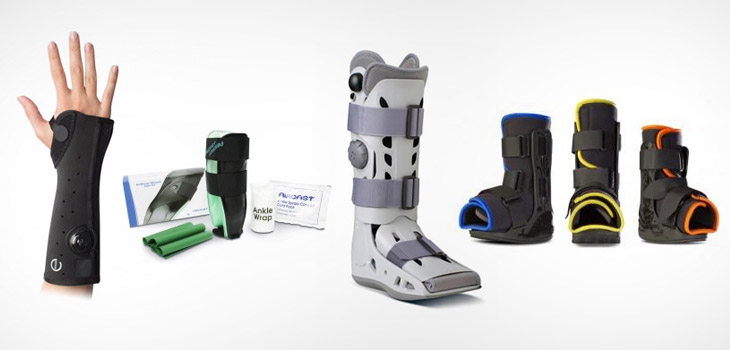
Durable medical equipment (DME), such as pain management devices, boots and braces, can play an important part in the orthopedic surgeon’s toolbox to get patients back to their normal activities.
CMS Restores $360 Million DME Payment Cuts
1 min read Premium comments
Secondary#durablemedicalequipment#cms
That’s why it was good news when CMS (Centers for Medicare and Medicaid Services) announced on May 9, 2018 that the agency was issuing an interim final rule that will partially reversing DME reimbursement cuts in rural areas.
Those cuts began in 2016 with a 25% cut and an additional 25% cut in 2017. CMS is reversing the 25% second phase cut for June 1 to December 31, 2018.
The agency stated that many small DME providers and businesses experience financial challenges under CMS’ current DME payments rates. Raising the rates would ensure that these smaller businesses can maintain financial stability and effectively provide beneficiaries with devices.
“This action will help Medicare beneficiaries in rural areas continue to access life-sustaining durable medical equipment, like oxygen equipment,” said CMS Administrator Seema Verma.
The CMS announcement states: “Going forward, CMS will continue to review data and information about rates for DME items and services, as required under section 16008 of the 21st Century Cures Act. CMS intends to undertake subsequent notice-and-comment rule-making to address the rates for durable medical equipment and enteral nutrition furnished in 2019 and beyond.”
Analyst Mike Matson of Needham & Company, LLC, notes that the budget proposed by the White House in February included competitive bidding in the rural areas though he thinks this is unlikely to be implemented since it would only serve to exacerbate the access issues CMS is already concerned about.
CMS estimates that Medicare will pay an additional $290 million in benefit payments and $70 million in beneficiary cost sharing for DME services during the six-month period.
Stakeholders will have until July 9, 2018 to submit final comments to CMS about possible DME payment changes. If you wish to comment, click here.
Author
React:
Discussion
This is a fascinating development. In my practice we've seen similar outcomes with the revised protocol. The key differentiator seems to be patient selection criteria. Has anyone else noticed the correlation with BMI thresholds?
Great point. I'd push back slightly on the conclusion, the sample size in the cited study is too small to draw population-level inferences. That said, the directional signal is compelling and worth a larger RCT.
We implemented a similar approach last year. Early results are promising but we're still gathering 12-month follow-up data. Happy to share our protocol if anyone is interested.
Join the conversation
Orthopedic professionals are discussing this. Sign in and upgrade to read every comment and add your voice.