
Not long before her seventh birthday, Amelia Eldred, of Great Britain, received some devastating medical news. A 10-centimeter tumor in her left leg had broken the bone. When the tumor did not respond to chemotherapy, doctors told her parents they should amputate the leg.
British Doctors Reattach Child’s Severed Leg Backwards
1 min read Premium comments
Secondary#osteosarcoma
BUT…that was not to be the end of the story.
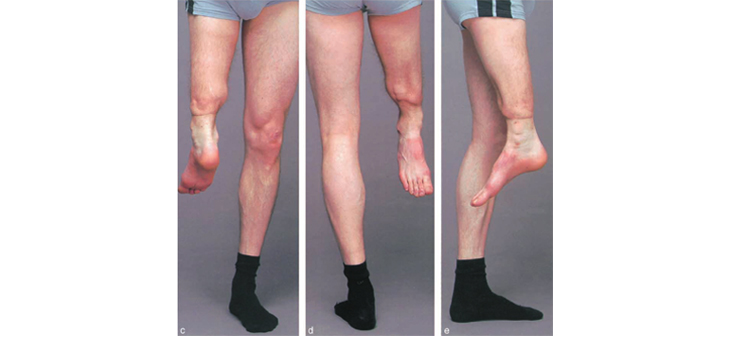
The doctors said that they would reattach the amputated leg to the upper leg—backward so that Amelia could maintain her mobility. Her ankle joint would become her new knee.
As planned, doctors in central England amputated Amelia’s leg at the thigh, removed the central portion of the leg and reattached he lower leg to the upper leg—backwards. She will use her ankle a knee joint and slip her foot into a prosthesis so that she will be able to walk, run and dance again.
Osteosarcoma, which is the most common type of bone cancer in children, typically affects the femur and tibia in the upper and lower leg and the humorous in the upper arm, according to St. Jude Children’s Research Hospital. When treated early, the long-term survival rate is 70 to 75%, according to the children’s hospital.
Amelia’s mother commented: “People ask how we cope, but we take our lead from Amelia, she has been so positive about all this. Just before her surgery she waved to her leg and said ‘bye, bye tumor, see you later!’ After her surgery, one of the nurses overheard her say to another child: ‘There’s nothing wrong with being different.'”
Author
React:
Discussion
This is a fascinating development. In my practice we've seen similar outcomes with the revised protocol. The key differentiator seems to be patient selection criteria. Has anyone else noticed the correlation with BMI thresholds?
Great point. I'd push back slightly on the conclusion, the sample size in the cited study is too small to draw population-level inferences. That said, the directional signal is compelling and worth a larger RCT.
We implemented a similar approach last year. Early results are promising but we're still gathering 12-month follow-up data. Happy to share our protocol if anyone is interested.
Join the conversation
Orthopedic professionals are discussing this. Sign in and upgrade to read every comment and add your voice.