
The popularity of same day surgery for joint replacement is growing.
Abbreviated Hospital Stay Optional for Patients
1 min read Premium comments
#totalkneereplacementSecondary#tka
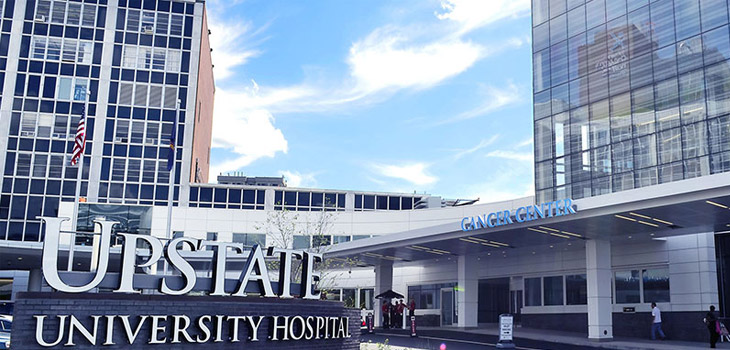
Upstate University Hospital at Ononadaga, New York, announced that its patients will have the option of spending only a few hours in the hospital instead of an overnight stay for knee-replacement surgery.
The program is called the Swift Knee program, patients for knee-replacement surgery will have the option of spending a few hours in the hospital instead of an overnight stay.
Before they go home patients will meet with their medical team, including a physical therapist, to go over at-home physical-therapy responsibilities. Patients will begin walking on their new knees immediately after surgery, the spokesperson said.
Performing total knee-replacement surgery without a hospital stay is a “growing trend,” thanks to a decision by the Centers for Medicare and Medicaid Services to remove total knee arthroplasty from its list of inpatient-only procedures.
“We know there are patients who would much prefer to have this procedure done on an outpatient basis and avoid an overnight stay at the hospital,” said Timothy Damron, M.D. Upstate orthopedic surgeon, “Now, Upstate is giving them that option.”
Author
React:
Discussion
This is a fascinating development. In my practice we've seen similar outcomes with the revised protocol. The key differentiator seems to be patient selection criteria. Has anyone else noticed the correlation with BMI thresholds?
Great point. I'd push back slightly on the conclusion, the sample size in the cited study is too small to draw population-level inferences. That said, the directional signal is compelling and worth a larger RCT.
We implemented a similar approach last year. Early results are promising but we're still gathering 12-month follow-up data. Happy to share our protocol if anyone is interested.
Join the conversation
Orthopedic professionals are discussing this. Sign in and upgrade to read every comment and add your voice.