
CoRehab, based in Trento, Italy, and developer of an innovative patient rehabilitation system, has entered into a distribution agreement for Europe, Middle East and Africa (EMEA) with Zimmer Biomet.
Zimmer to Distribute Innovative CoRehab
1 min read Premium comments
#zimmerbiometSecondary#knee#corehab
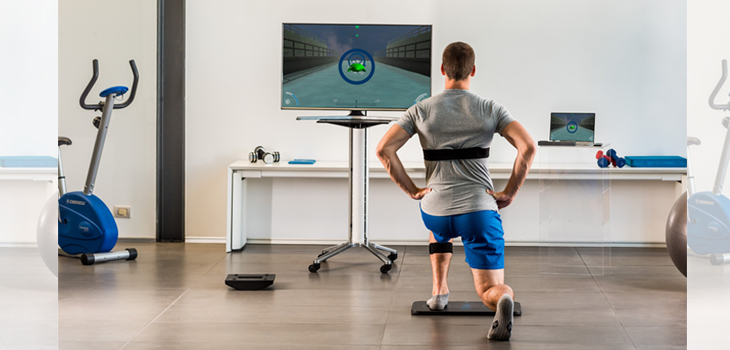
According to CoRehab: “The accord means that Zimmer Biomet will distribute modules of CoRehab’s physical therapy and sports medicine platform, with marketing and sales of the products occurring under the Zimmer Biomet trade name of Smartmove. The Smartmove platform will be incorporated into Zimmer Biomet’s Signature Solutions, Rapid Recovery and Sports Medicine businesses.”
“CoRehab’s Back in Action testing module continues to gain adoption in the Sports Medicine community for post ACL [anterior cruciate ligament] candidates while the multiple physical therapy protocols are also experiencing rapid adoption, particularly as part of value-based bundle payments. CoRehab shares mutual goals with healthcare professionals and payers to provide cost effective tools that engage users in their care path while providing meaningful data to support continued technology adoption.”
CoRehab President Daniel Moran told OTW, “CoRehab’s goal in the relationship with Zimmer Biomet is to assist them to keep their promise to the progress of the patients they serve. If CoRehab is able to help Zimmer Biomet have a better impact on the path to recovery for their customers, we will have satisfied our objective.”
Olivier Morax, director of Connected Health EMEA at Zimmer Biomet, told OTW, The CoRehab modules included in the Zimmer Biomet Smart Move platform are the Orthopaedic & Sports Medicine Physical Therapy modules and the Back in Action test module.”
Author
React:
Discussion
This is a fascinating development. In my practice we've seen similar outcomes with the revised protocol. The key differentiator seems to be patient selection criteria. Has anyone else noticed the correlation with BMI thresholds?
Great point. I'd push back slightly on the conclusion, the sample size in the cited study is too small to draw population-level inferences. That said, the directional signal is compelling and worth a larger RCT.
We implemented a similar approach last year. Early results are promising but we're still gathering 12-month follow-up data. Happy to share our protocol if anyone is interested.
Join the conversation
Orthopedic professionals are discussing this. Sign in and upgrade to read every comment and add your voice.