
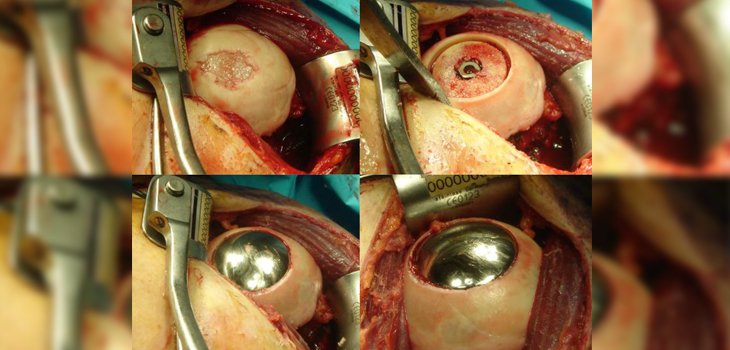
Arthrosurface, Inc.’s stemless total shoulder system has been 510(k) cleared by the FDA.
Arthrosurface Stemless Shoulder Cleared by FDA
1 min read Premium comments
Secondary#fdaclearance#arthrosurface#stemlessshouldersurgery
The OVOMotion Shoulder Arthroplasty System took over four and a half months to get through the regulatory process, according to FDA documents.
Anthony Miniaci, M.D. said in an April 18, 2018 press release that the system “truly is a revolutionary” stemless total shoulder, “which combines the concept of anatomic restoration with an aspherical head design that more closely replicates patient anatomy but also allows improved joint access for ease of preparation of the glenoid.”
The company said its stemless product provides surgeons “with an approach that results in increased exposure to the glenoid, minimizes bone removal, and is designed for patients with painful and/or severely disabled shoulder joints resulting from arthritis, traumatic events or AVN [avascular necrosis].”
According to the company, the system is cleared for use in conjunction with the Arthrosurface Inlay Glenoid System. The company cites a comparative study published in the Journal of Shoulder and Elbow Surgery, that showed “the inlay glenoid (socket) design was far superior to the onlay alternative with respect to the biomechanical stability.”
Steve Ek, the company CEO, said the system is intended to be “the first of a three-element modular stemless system that will ultimately allow surgeons to intra-operatively choose between stemless, traditional and reverse options.”
Stemless shoulder replacement is less invasive because surgeons can avoid having to core down the humeral shaft and insert a rod or system. This is good for younger patients who want to preserve bone in case they need a second operation or revision.
This FDA clearance follows Exactech, Inc’s March clearance of its stemless shoulder, which took about five and a half months to clear regulatory hurdles.
Author
React:
Discussion
This is a fascinating development. In my practice we've seen similar outcomes with the revised protocol. The key differentiator seems to be patient selection criteria. Has anyone else noticed the correlation with BMI thresholds?
Great point. I'd push back slightly on the conclusion, the sample size in the cited study is too small to draw population-level inferences. That said, the directional signal is compelling and worth a larger RCT.
We implemented a similar approach last year. Early results are promising but we're still gathering 12-month follow-up data. Happy to share our protocol if anyone is interested.
Join the conversation
Orthopedic professionals are discussing this. Sign in and upgrade to read every comment and add your voice.