
A team of researchers from Hospital for Special Surgery (HSS) in New York and Yale University Medical Center in New Haven, Connecticut set out to determine whether using 50 mg of pregabalin on a daily basis would reduce narcotic requirements and improve outcomes after posterior lumbar fusion (PLF).
Pregabalin Before Spine Fusion Surgery Not So Helpful?
1 min read Premium comments
#spinesurgerySecondary#pregabalin#spinefusion
Their work, “Pregabalin Did Not Improve Pain Management After Spinal Fusions,” appears in the February 18, 2018 edition of the HSS Journal.
The authors wrote, “…86 patients undergoing elective posterior lumbar fusion, ASA I–III, were randomized to receive either a placebo or pregabalin after obtaining written informed consent. Both arms, i.e., placebo and pregabalin, consisted of 43 patients each.”
“The 86 patients for elective PLF were randomly assigned to receive 150 mg of pregabalin 1h before surgery and then 150 mg daily, or a placebo tablet. All patients received a similar general anesthetic and in the post-anesthesia care unit (PACU), started on intravenous (IV) patient-controlled analgesia (PCA) of hydromorphone (0.2 mg/ml). Postoperative pain was assessed daily until discharge using a Numerical Rating Scale (NRS) at rest and with physical therapy (PT). Patients were also assessed twice daily for level of sedation and nausea and/or vomiting and expected PT milestones. All narcotics (IV, oral) were documented.”
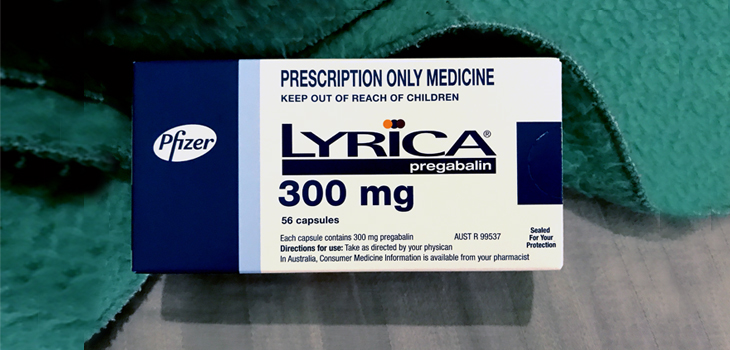
HSS anesthesiologist Michael K. Urban, M.D., Ph.D. told OTW, “Pregabalin (Lyrica) was being used as a part of multi-modality analgesia, without much objective data as to its efficacy. In addition, pregabalin has side effects (sedation, confusion, dizziness) and is expensive. We all, however, would like to reduce the utilization of opioids for postoperative analgesia.”
“Spinal fusions are painful and require opioids for postoperative analgesia. This then would be a surgery to test the efficacy of pregabalin. In a randomized controlled study, we were unable to demonstrate an advantage to adding pregabalin to the postop pain regimen in reducing pain or narcotic consumption. There was the suggestion that in opioid tolerant patients pregabalin might have a role in postop analgesia.”
Author
React:
Discussion
This is a fascinating development. In my practice we've seen similar outcomes with the revised protocol. The key differentiator seems to be patient selection criteria. Has anyone else noticed the correlation with BMI thresholds?
Great point. I'd push back slightly on the conclusion, the sample size in the cited study is too small to draw population-level inferences. That said, the directional signal is compelling and worth a larger RCT.
We implemented a similar approach last year. Early results are promising but we're still gathering 12-month follow-up data. Happy to share our protocol if anyone is interested.
Join the conversation
Orthopedic professionals are discussing this. Sign in and upgrade to read every comment and add your voice.