
The FDA has cleared Myoscience, Inc.’s latest tip to allow surgeons using the company’s iovera° targeted cold therapy platform to access nerves in the shoulder, hip, and knees.
New FDA Clearance for Myoscience’s Targeted Cold Therapy
1 min read Premium comments
Secondary#shoulderpain#kneepain#hippain
The company’s CEO, Cary Vance, said on March 5, 2018, the expanded 510(k) clearance for the Smart Tip with Nerve Stim, expands their technology in “existing call points.” He added, “In addition to our continued commercial focus on reducing opioid use through the use of iovera° technology for treating perioperative pain due to total knee arthroplasties (TKA) and chronic pain, the Smart Tip with Nerve Stim will allow physicians to treat harder to reach areas and complete procedures more quickly and efficiently.”
The company says the system uses “precision targeting and the body’s natural response to cold for immediate relief without the use of drugs.”
The treatment stops nerves from sending pain signals for a period, followed by a restoration of function. It does this by applying targeted cold to a peripheral nerve. “A precise cold zone is formed under the skin—cold enough to immediately prevent the nerve from sending pain signals without causing damage to surrounding structures. The effect on the nerve is temporary, providing pain relief until the nerve regenerates and function is restored,” according to the company.
Pieter Vreede, M.D., of Riverview Health System in Noblesville, Indiana, has been using iovera° technology for the last several months and says he is “thrilled” with the outcomes he has seen thus far. “With this new tip I look forward to providing another non-opioid and non-systemic pain option for my patients suffering from shoulder pain and deep knee pain.”
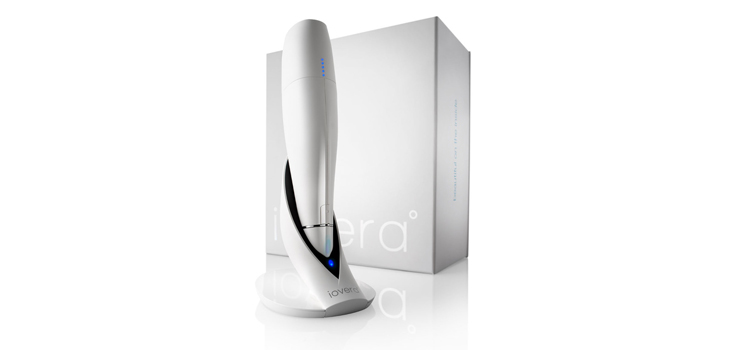
The system includes a small, hand-held device that uses disposable tips to deliver focused cold to targeted nerves and is powered by the Focused Cold Therapy delivery system, a patented miniaturization of traditional cryotherapy.
The company was founded in 2005, is privately held and located in Silicon Valley, California.
Author
React:
Discussion
This is a fascinating development. In my practice we've seen similar outcomes with the revised protocol. The key differentiator seems to be patient selection criteria. Has anyone else noticed the correlation with BMI thresholds?
Great point. I'd push back slightly on the conclusion, the sample size in the cited study is too small to draw population-level inferences. That said, the directional signal is compelling and worth a larger RCT.
We implemented a similar approach last year. Early results are promising but we're still gathering 12-month follow-up data. Happy to share our protocol if anyone is interested.
Join the conversation
Orthopedic professionals are discussing this. Sign in and upgrade to read every comment and add your voice.