
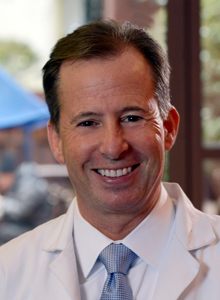
John P. DiFiori, M.D., director of Sports Medicine for the National Basketball Association, is the new chief of the primary care sports medicine service at Hospital for Special Surgery (HSS) in New York.
John P. DiFiori, M.D. Now Leading Primary Care Sports Medicine at HSS
2 min read Premium comments
#hospitalforspecialsurgery#johndifiori
“Our primary care sports medicine team helps our patients determine how their sports injury should be best treated, which can be surgically or with alternative treatments,” said Todd J. Albert, M.D., surgeon-in-chief and medical director at HSS, in the January 30, 2018 news release.
“Athletes of all levels turn to us to get them back in the game, and Dr. DiFiori has the experience and expertise that will only enhance our commitment to delivering quality patient care.”
“Dr. DiFiori succeeds Brian C. Halpern, M.D., who served as chief since 2011. Dr. Halpern pioneered the non-operative approach to acute and chronic musculoskeletal problems and was the first non-surgical fellowship-trained and board-certified sports medicine physician at HSS. He will continue to be an integral part of the HSS sports service and will work closely with Dr. DiFiori moving forward.”
“Prior to joining HSS, Dr. DiFiori was the chief of the division of Sports Medicine and Non-Operative Orthopaedics for the departments of Family Medicine and Orthopaedic Surgery at UCLA [University of California, Los Angeles]. He was also the head team physician for UCLA Department of Intercollegiate Athletics where he oversaw the care of more than 650 athletes in 24 NCAA sports, and was on the sidelines with UCLA football and basketball.”
“Dr. DiFiori earned his undergraduate degree at Franklin and Marshall College and his medical degree at Temple University before completing his residency at Lancaster General Hospital. He then completed a sports medicine fellowship at UCLA.”
Dr. DiFiori told OTW, “There are a number of valuable experiences that I will draw on as I begin at HSS.”
“Clinically, these include more than 20 years as a sideline team physician at UCLA. As head team physician at UCLA, our program provided care for 650 athletes in 24 sports. Understanding the nuances of diagnosing and managing injuries in this population, allows us to apply the state of the art in care for active individuals of all ages.”
“Education and research are equally important. Having served as a fellowship director for more than 15 years and being engaged in multiple clinical research programs will provide a basis for taking advantage of the superior resources that HSS provides.”
“Finally, I am fortunate to have had mentors and colleagues who have shared their advice and experiences and provided support throughout my career. Many of these relationships have been longstanding and rewarding in many ways beyond professional development. Having our senior faculty serve in mentoring roles is a key to developing the future leaders of HSS and sports medicine nationally.”
“HSS is an incredible institution, and sports medicine has had a growing role. Much of my initial focus will be to assess the extensive resources that HSS offers, and to incorporate them into setting clinical, educational and research goals. There is great potential for interdisciplinary collaboration that can propel sports medicine at HSS into new phase of excellence.”
Author
React:
Discussion
This is a fascinating development. In my practice we've seen similar outcomes with the revised protocol. The key differentiator seems to be patient selection criteria. Has anyone else noticed the correlation with BMI thresholds?
Great point. I'd push back slightly on the conclusion, the sample size in the cited study is too small to draw population-level inferences. That said, the directional signal is compelling and worth a larger RCT.
We implemented a similar approach last year. Early results are promising but we're still gathering 12-month follow-up data. Happy to share our protocol if anyone is interested.
Join the conversation
Orthopedic professionals are discussing this. Sign in and upgrade to read every comment and add your voice.